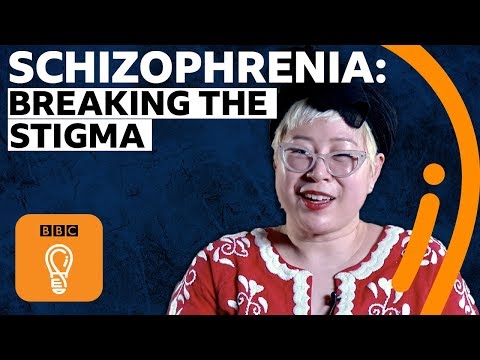
So, let’s talk about something heavy but super important—schizophrenia. You might have heard bits and pieces about it, and honestly, there’s a lot of confusion out there.
This blog provides content for informational, educational, and reflective purposes only. The information published here does not constitute medical, psychological, or psychiatric advice, and it does not replace the evaluation, diagnosis, treatment, or individualized guidance of a properly licensed professional. If you believe you may be experiencing a psychological or health-related issue, consult a qualified professional as soon as possible before making important decisions about your well-being. Do not self-medicate or start, stop, or change medications, therapies, or treatments on your own. While we aim to provide useful and accurate information, we do not guarantee that it is complete, current, or suitable for every situation. Your use of this content is at your own risk, and reading it does not create a professional, clinical, or therapeutic relationship with the author or this website.
People often throw around the word “crazy” when discussing it. But here’s the thing: that’s just not fair. It’s like labeling a book by its cover without even reading the first page.
Schizophrenia is complex, and it’s wrapped in so much stigma. It affects people in ways that aren’t just black-and-white. There are real humans behind those diagnoses—people with hopes, dreams, struggles, and lives that matter.
Sound familiar? Sadly, many folks battling this illness face judgment rather than support. It’s time we change that narrative. We can break down barriers and create a more understanding world together!
Breaking the Silence: How Media Portrayals Perpetuate Stigma Around Schizophrenia
Media plays a massive role in shaping how we view mental health, especially conditions like schizophrenia. You know, when you see movies or shows, they often showcase characters with severe symptoms, which can totally skew public perception. This isn’t just a harmless plot twist—it’s like throwing gasoline on the fire of stigma.
It’s important to remember that most individuals with schizophrenia are not violent at all. In fact, they’re more likely to be victims of violence rather than perpetrators! But when you watch these shows, it’s easy to forget that little detail.
I remember chatting with a friend who once saw a documentary about schizophrenia. It was focused on an individual’s struggles but ended up making him seem like an alien rather than a guy who’s just trying to get through life. My friend came away feeling uneasy about people with this condition instead of having compassion.
If you think about it, it would be so easy for writers and directors to incorporate real voices—like mental health professionals or individuals sharing their lived experiences—to present a more balanced view.
For instance, imagine walking into a job interview when all you’ve seen in media are horror stories about schizophrenics acting out—they’d be more likely to see you as risky or unstable rather than just another candidate.
So basically, when media keeps spinning these narrow tales about mental illness without nuance or respect for reality, it creates barriers for individuals seeking help or support. It makes breaking down stigma way tougher because it reinforces negative stereotypes rather than dismantling them.
Like I heard from someone who has schizophrenia; they said seeing someone on TV deal with similar issues honestly made them feel less alone—it opened up conversations that lead to more awareness.
In short, media has this huge power over perceptions around schizophrenia that can’t be ignored. By turning down the volume on harmful portrayals and turning up the volume on real-life experiences and understanding, we can start changing hearts and minds—and that’s something we desperately need!
Understanding Schizophrenia: Common Stigma Examples and Their Impact
Schizophrenia can feel like a heavy burden, both for people diagnosed and their families. It’s a complex mental health condition that often comes with a ton of stigma. This stigma isn’t just annoying; it can deeply affect how people experience their lives and engage with treatment.
One big misconception is that people with schizophrenia are violent or dangerous. You know, when someone says they saw a news story about a crime committed by someone with this diagnosis? That sticks. And it’s not fair, as most folks living with schizophrenia are not violent at all. In reality, they’re more likely to be victims than perpetrators. It’s essential to challenge this stereotype because it spreads fear and misunderstanding.
Another common stigma is the belief that individuals can’t lead normal lives or hold down jobs. I mean, imagine being told you can’t accomplish anything because of your diagnosis! It’s demoralizing. Many people with schizophrenia go on to have fulfilling careers and relationships despite their challenges. They deserve the same respect and opportunities as anyone else.
These reactions create an isolating environment for those affected. They may withdraw from friends or loved ones due to fear of being misunderstood. Imagine feeling isolated just because others don’t get what you’re dealing with—that’s heartbreaking.
The impact of stigma also shows up in accessing treatment. Some people might think twice before seeking help because they don’t want to be labeled “crazy.” Unfortunately, this fear can lead to worsening symptoms and even crises where emergency care becomes necessary instead of routine support.
It can be uplifting to remember that there are many who fight against this stigma every day—like advocacy groups raising awareness through campaigns or even regular folks sharing their recovery stories online. Being open about schizophrenia helps shift perceptions little by little.
We really need to work together on this issue—a community effort kind of thing—to create understanding and compassion around mental health conditions like schizophrenia. This way, everyone can find the support they need without fear of judgment or rejection.
Breaking down these barriers starts by having honest conversations. Letting go of stereotypes takes time but is absolutely worth it for those living with these challenges—and for society as a whole!
Understanding the Stigmas Surrounding Schizophrenia: Breaking Down Barriers to Mental Health Awareness
Understanding the stigma around schizophrenia is like peeling an onion – it can make you cry, and it definitely has layers. The thing is, this stigma can be super damaging, not just for those living with schizophrenia but also for society as a whole.
Schizophrenia isn’t what you think. Many people believe that it means having multiple personalities or being “crazy.” In reality, schizophrenia involves a range of symptoms like hallucinations, delusions, and disorganized thinking. You know that stereotype in movies where people with schizophrenia are portrayed as dangerous or violent? It’s just not true for most people. The majority are more likely to be victims of violence than perpetrators.
But here’s the kicker: this stigma often leads to discrimination. Imagine feeling isolated because people think you’re a threat just for having a mental illness. When someone discloses their diagnosis, they might be shunned or treated differently at work or in their personal lives. It can feel like being trapped in a glass box where everyone can see you but nobody really understands what you’re going through.
Now, let’s break down some common barriers that perpetuate this stigma:
- Lack of Education: A lot of folks simply don’t understand mental health conditions. They might think they know something about it from popular media, but often it’s all wrong.
- Stereotypes: The portrayal of mentally ill characters in films often leans toward the violent or bizarre side. This skews perception and builds fear.
- Fear of the Unknown: People fear what they don’t understand. Because schizophrenia is complex and its symptoms can be confusing, people tend to steer clear.
- Social Isolation: Those with schizophrenia often withdraw due to societal rejection or internalized shame. This isolation makes breaking the stigma even harder!
And here’s something else – the language we use matters. When someone says “schizophrenic,” they define the person by their illness instead of recognizing them as a whole human being with interests and feelings beyond their diagnosis. That kind of language reinforces stigma.
So how do we break these barriers? Well, awareness is key! Having open conversations about mental health helps dispel myths and encourages empathy among friends and communities.
Consider this: if someone you loved had schizophrenia, wouldn’t you want them to feel supported rather than judged? That’s why sharing personal stories is so powerful; when real experiences come out into the open, it becomes harder to hold onto outdated beliefs.
In short, breaking down the stigma surrounding schizophrenia requires us to challenge our own biases first. So next time you hear someone make an offhand comment about mental illness—correct them if you’re comfortable! Change starts with all of us striving to create an understanding culture around mental health.
See? With a little education and compassion—seriously—it’s possible to change perceptions one conversation at a time!
You know, it’s pretty wild how many misconceptions there are about schizophrenia. Like, a lot of folks think it’s just about hearing voices or something. But the truth is way more complex. Schizophrenia can be this tangled web of different experiences—things like distorted thinking, social withdrawal, and even emotional blunting. And what’s really frustrating is how the stigma surrounding it makes everything worse.
I remember a friend of mine—let’s call him Ben. He dealt with schizophrenia for years, and when he first opened up about it, the reactions were all over the place. Some people backed off like he had the plague. Others offered platitudes that just didn’t land right, you know? It was as if they thought his reality was somehow contagious or that he was less deserving of understanding because of his diagnosis.
But here’s the kicker: Ben was one of the most creative people I knew. He painted these incredible canvases that captured emotions I couldn’t even put into words. The stigma kept pushing him into isolation; every time he tried to connect with others, that fear loomed large—like a shadow following him around.
So, tackling this stigma starts with conversations where we normalize mental health challenges instead of treating them like taboos. We need to highlight stories like Ben’s—not just focusing on symptoms but also on strengths and talents that people with schizophrenia have to offer. And hey, we could all benefit from a little empathy and understanding.
It’s all about painting a fuller picture, you know? When we challenge those stereotypes and create safe spaces for dialogue, we allow people to share their experiences without fear of judgment or discrimination. Making mental health care more inclusive benefits everyone—because everyone deserves compassion and support as they navigate their journey through life… even when it’s messy and complicated.
So let’s ditch the misconceptions and shed some light on what schizophrenia really looks like in real life—it might just help someone feel a little less alone out there.