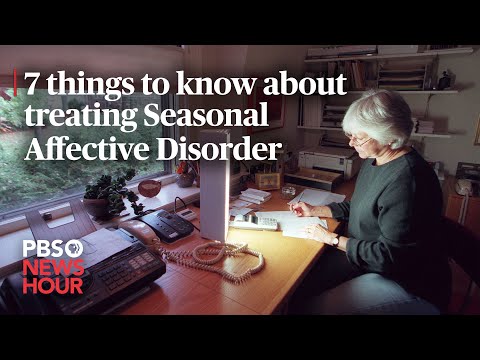
Hey! So, let’s chat about something that sneaks up on a lot of us: Seasonal Affective Disorder, or SAD, you know? It’s like that gloomy cloud that rolls in when the days get shorter and the sun decides to play hide and seek.
This blog provides content for informational, educational, and reflective purposes only. The information published here does not constitute medical, psychological, or psychiatric advice, and it does not replace the evaluation, diagnosis, treatment, or individualized guidance of a properly licensed professional. If you believe you may be experiencing a psychological or health-related issue, consult a qualified professional as soon as possible before making important decisions about your well-being. Do not self-medicate or start, stop, or change medications, therapies, or treatments on your own. While we aim to provide useful and accurate information, we do not guarantee that it is complete, current, or suitable for every situation. Your use of this content is at your own risk, and reading it does not create a professional, clinical, or therapeutic relationship with the author or this website.
You ever feel super low during winter? Not just the “I need a cozy blanket” kind of low, but more like you can’t shake off this heavy weight? Yeah, that’s kind of what SAD can feel like. It’s easy to brush it off as just “the winter blues,” but it can be way deeper than that.
Imagine waking up and feeling like you’re stuck in slow-mo while everyone else is zooming past. That feeling is more common than you think! Seriously, we gotta talk about it. Raising awareness about SAD is so important because so many folks deal with it alone, thinking they’re the only ones.
Effective Strategies for Treating Seasonal Affective Disorder: Your Guide to Overcoming Winter Blues
Seasonal Affective Disorder, or SAD, is like that heavy blanket of clouds that seems to settle over you when winter rolls in. Seriously, if you find yourself feeling low, moody, and totally unmotivated during the colder months, you might be dealing with this condition. It can make days feel shorter and darker than they actually are. Now, let’s break down some effective strategies for tackling those winter blues.
Light Therapy is often one of the first things people think about when dealing with SAD. You can try sitting in front of a light therapy box for about 20-30 minutes each morning. The bright light mimics natural sunlight, which can help regulate your mood. It’s like a little sunshine on demand! Just make sure it’s specifically designed for light therapy; not all bright lights will work.
Another handy tool is Vitamin D. People sometimes call it the “sunshine vitamin” because our bodies produce it when exposed to sunlight. During those cloudy months, getting enough of it can be tough—and that might contribute to feeling down. You could consider talking to your doc about testing your levels and possibly taking a supplement if needed.
Regular Exercise really does wonders too! When you get moving—whether it’s hitting the gym or just going for a brisk walk outside—it releases endorphins. These are those feel-good chemicals in your brain that help lift your mood. Honestly, even just doing something simple like dancing in your living room can get those good vibes flowing!
Then there’s Cognitive Behavioral Therapy (CBT), which sounds all technical but really isn’t that complicated. It focuses on changing negative thought patterns that may pop up during these dreary months. Talking things through with a therapist trained in CBT can help you develop healthier ways of thinking and coping with seasonal challenges.
Don’t forget about Staying Connected. Seriously, isolation can worsen feelings of sadness. Make an effort to reach out to friends or family, whether through video chats or cozy meetups over hot cocoa (who doesn’t love that?). Social support is huge when it comes to lifting your spirits.
Also remember to enjoy Your Hobbies. Winter’s great for diving into activities you love! Painting, reading that stack of books you’ve been meaning to get through—or even organizing your closet—can give you purpose and distract from those wintery woes.
Lastly, keep an eye on your sleep patterns as they’re super important too! Establishing a Routine, where you go to bed and wake up at consistent times every day can help regulate your sleep cycle and improve overall mood.
In the end, it’s important to recognize when you’re struggling with SAD or any mental health concern. Acknowledging what you’re feeling is key—like taking off those fuzzy socks before stepping onto the floor; it’s a little uncomfortable at first but so worth it once you’re moving freely again! Don’t hesitate to reach out for professional support if needed; folks who specialize in mental health totally understand what you’re going through and have tools ready to help you cope better during those chilly months ahead!
Understanding Seasonal Affective Disorder: How to Manage Anxiety During the Darker Months
So, let’s chat about Seasonal Affective Disorder (SAD). This is when you feel a little less sparkly during the winter months, thanks to shorter days and less sunlight. If you’ve ever felt that heavy blanket of gloom roll in as soon as autumn hits, you’re not alone. Seriously, it’s pretty common.
What is SAD?
Basically, SAD is a type of depression that follows a seasonal pattern. You might notice yourself feeling more down or anxious from the fall into winter. As spring rolls around, though, things can brighten up again. It’s like your mood is on a rollercoaster that only rides during certain times of the year.
Now why does this happen? Well, one big reason could be the lack of sunlight affecting your body’s biological clock. Without enough sunlight, your brain might not produce enough serotonin – ya know, that happy chemical – which can lead to feeling kinda low or anxious.
Signs and Symptoms
So how do you know if it’s SAD? Here are some signs to look for:
- Feeling sad or down most of the day
- Losing interest in activities you usually enjoy
- Fatigue or low energy
- Trouble concentrating
- Irritability or anxiety
- Sleep changes (maybe sleeping too much or too little)
- – Changes in appetite (like craving carbs)
Picture this: Sarah usually loves to go hiking with her friends in the summer. But come October, she finds herself staying in bed longer and scrolling through movies instead of hitting those trails. That shift can really impact her overall vibe.
Managing Anxiety During Darker Months
Now let’s talk about coping with all this. Here are some things that might help:
- Lamp Therapy:
- A Regular Routine:
- Create Cozy Spaces:
- Nourish Yourself:
- Meditation and Mindfulness:
- Talk About It:
It sounds a bit wild but investing in a light therapy box can be game-changing! These boxes mimic natural sunlight and can help kick start your mood.
Keeping a routine – like regular bedtimes and wake-up times – helps regulate your internal clock. It gives your day some structure, even when it feels gloomy outside.
Bring warmth into your home! Add soft blankets and warm lighting. Sometimes just changing up your space can help elevate how you feel.
Eating well can seriously impact your mood too! Load up on fruits and veggies; they’re packed with nutrients that help fight off those blues.
Taking time to breathe deeply or meditate for just a few minutes can ground you through anxiety spikes. Those quiet moments matter!
Don’t hold it all inside; reach out to friends or family when you’re feeling off. Sharing what you’re going through can lighten the load.
If Sarah had known about light therapy or reached out to her buddies instead of shutting everyone out during winter, maybe she would’ve felt less isolated in her feelings.
A Little Extra Help
Sometimes self-help isn’t enough though! If things feel heavy despite trying these techniques, connecting with a mental health professional could be really beneficial. They might suggest counseling or medication if needed—whatever works best for you.
Overall, understanding Seasonal Affective Disorder means knowing it’s okay to feel this way during darker months but also recognizing there are ways to navigate through all that blah-ness.
Understanding Seasonal Affective Disorder: Download Your Free PDF Guide
Seasonal Affective Disorder, or SAD, is more than just feeling a bit down during winter. It’s like a heavy blanket of sadness that weighs you down for months at a time. If you find yourself dragging your feet when the days get shorter and the skies turn gray, you might be experiencing this condition.
SAD typically occurs in fall and winter. It can hit anyone but tends to be more common in people who live in northern latitudes. The thing is, as sunlight decreases, our bodies can react in unexpected ways. You could feel tired all the time, struggle to get out of bed, or lose interest in things you usually love.
Some key signs of SAD include:
It’s like this: imagine waking up and seeing nothing but gray outside your window for weeks on end. That was me last winter; I barely had the motivation to go outside. Even my favorite coffee shop didn’t seem appealing anymore. I found myself scrolling through my phone instead of enjoying life. It’s easy to fall into that trap when the weather changes.
But there is hope! Many people find relief through light therapy—basically, sitting near a special lamp that mimics natural sunlight. It sounds simple, but it often works wonders for those with SAD.
Cognitive-behavioral therapy (CBT) can also help by changing negative thought patterns associated with seasonal depression. Talking about your feelings with someone who gets it can really lighten that heavy load.
If things feel too tough to handle alone, reaching out for support is crucial. Whether it’s family, friends, or professionals, connecting with others can make all the difference.
In some cases, medication might come into play as well—antidepressants can help balance that brain chemistry gone awry when seasons change.
And while you’re not alone if you experience Seasonal Affective Disorder—many folks are right there with you—it’s important to address what’s going on inside your head and heart instead of putting it off until spring comes around again.
So if winter’s got you feeling down or you’re just curious about how seasons affect our mental health, know there are resources available and ways to tackle SAD head-on!
So, you know that feeling when winter rolls around, and suddenly getting out of bed feels like an Olympic sport? It’s no joke. A lot of folks experience this struggle, and it’s often tied to something called Seasonal Affective Disorder, or SAD for short. Basically, it’s a type of depression that shows up during the colder months when there’s less sunlight. The thing is, many people brush it off as just the winter blues, but it can be way more serious than that.
Last year, I had a friend who went through this. She loved to hike in the summer and always seemed so full of life. But once fall hit, it was like someone flipped a switch. She became withdrawn and moody; she even stopped answering texts. I remember feeling helpless watching her slip away from us during that time. The sunlight seemed to drain out of her spirit.
Now imagine if we talked about SAD more openly? People might find it easier to seek help instead of suffering in silence. It would make such a difference if we could just say: “Hey, if you’re feeling down when the days get shorter, you’re not alone!” It’s all about making sure everyone knows they’re not just being grumpy or lazy.
Raising awareness can also help reduce stigma around mental health issues in general. When we normalize talking about how seasons affect mood, we can create an environment where folks feel safe expressing themselves without fear of judgment.
Basically, understanding Seasonal Affective Disorder is crucial because winter doesn’t have to mean darkness for everyone—there are ways to combat its effects! Therapies like light therapy or even just getting outside on sunny days can really help lift spirits.
So next time you notice someone acting differently as the leaves fall and the temperatures drop, maybe check in with them? You never know how much your support could mean during those heavy winter months.