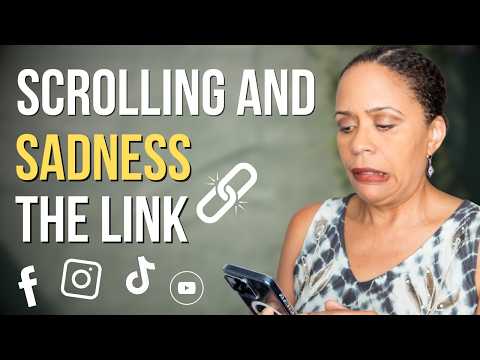
You ever scroll through social media and feel a little… off? Like, one minute you’re laughing at cat videos, and the next, you’re feeling kinda low?
This blog provides content for informational, educational, and reflective purposes only. The information published here does not constitute medical, psychological, or psychiatric advice, and it does not replace the evaluation, diagnosis, treatment, or individualized guidance of a properly licensed professional. If you believe you may be experiencing a psychological or health-related issue, consult a qualified professional as soon as possible before making important decisions about your well-being. Do not self-medicate or start, stop, or change medications, therapies, or treatments on your own. While we aim to provide useful and accurate information, we do not guarantee that it is complete, current, or suitable for every situation. Your use of this content is at your own risk, and reading it does not create a professional, clinical, or therapeutic relationship with the author or this website.
Honestly, that might not be just in your head. Social media can be a double-edged sword—super fun, but also kinda toxic.
It’s wild how seeing everyone’s highlight reels can mess with our heads. You know what I mean? So many people are struggling with feelings that social media tends to amplify.
Let’s chat about how this all ties into depression and mental health challenges. You might find some of it hits really close to home!
Downloadable PDF: Exploring the Impact of Social Media on Mental Health
It’s wild how social media can impact your mental health, right? On one hand, it connects you with friends and family. On the other hand, it can drag you down into a spiral of negativity. Let’s break it down.
Social Comparison is one big factor here. You scroll through feeds filled with perfect lives and highlights, which can seriously mess with your self-esteem. You might find yourself thinking, «Why don’t I look like that?» or «I should be doing better.» It’s a tricky cycle—you see others’ best moments and start measuring yourself against them.
Then there’s the fear of missing out (FOMO). This feeling creeps in when you see your friends hanging out without you. Even just seeing constant updates about events or fun activities can leave you feeling left out or isolated. It’s like you’re on the outside looking in, and that can lead to feelings of loneliness.
Another crucial point is addiction-like behavior. Seriously, have you ever caught yourself mindlessly scrolling for hours? That stuff can seriously affect your mood. It’s kind of like getting hooked on a show—you tell yourself you’ll only watch one episode, but before you know it, it’s midnight! The same goes for social media; the more time spent online, the less time spent doing things that actually lift your mood.
You also can’t ignore the cyberbullying factor. It’s real and pretty damaging; it can lead to anxiety and depression. If someone is harassed online, it doesn’t just stay on the screen—it spills over into daily life. Feeling attacked from an anonymous avatar really stings!
And don’t get me started on information overload. Constant news alerts and updates can be overwhelming. You might find yourself anxious about global crises even if they don’t directly affect you. It’s like trying to drink from a fire hose!
It’s not all bad news tho—social media has its perks! It offers support groups and connections that might not be available otherwise. If someone shares their struggles with mental health online, it can make others feel less alone. Sometimes knowing others are in similar boats helps lighten the load.
In summary, social media is kind of a double-edged sword for mental health:
So yeah, take some time to think about how social media affects *you*. Maybe it’s worth balancing those scrolls with some real-world connections or activities that make you happy!
Exploring the Impact of Social Media on Adolescent Mental Health: Key Insights and Research Findings (PDF)
Social media has exploded in popularity, especially among adolescents. It’s like their second home. But there’s a flip side to this digital playground that often goes unnoticed. Let’s talk about how social media impacts mental health, focusing on depression and other challenges that come up.
First off, social media can connect people in amazing ways, but it can also isolate them. You may feel like everyone is living their best life while you’re struggling with feelings of loneliness or inadequacy. Research shows that heavy social media use correlates with increased symptoms of depression. It’s not just about spending time online; it’s the *quality* of interactions too.
When scrolling through curated pictures and highlight reels, it’s easy to fall into the comparison trap. You see someone else’s vacation pics or perfect selfies and start thinking you’re missing out—just look at your feed for a minute! That sense of missing out? They call it FOMO (fear of missing out).
But here’s where it gets tricky: social media also amplifies negative experiences. A teen might post something vulnerable, hoping for support, only to face harsh comments or cyberbullying. This can lead to increased anxiety or feelings of worthlessness. Imagine sharing a personal struggle and getting slammed instead of support—that stings.
Also, let’s not forget about sleep issues. Many teens check their phones right before bed or even during the night! This disrupts their sleep cycle, which is crucial for mental health. Lack of sleep can worsen mood disorders like depression.
On the flip side, social media *can* provide a lifeline for some teens who find communities online where they feel understood and accepted—especially if they struggle in real life due to bullying or isolation. Those spaces can offer validation and support when offline relationships feel strained.
Still, it doesn’t replace face-to-face connections—which are super important too! Research indicates that real-life interactions are vital for emotional well-being because they foster true connection in ways that screens just can’t replicate.
In short:
- Social media use is linked to increased symptoms of depression.
- It fosters unhealthy comparisons leading to feelings of inadequacy.
- Negative experiences online can spike anxiety and self-doubt.
- Poor sleep from late-night scrolling worsens mental health.
- Online communities can provide valuable support but shouldn’t substitute real-life interaction.
Though social media isn’t going away anytime soon, being mindful about its impact is crucial—both for yourself and the teens in your life. Setting boundaries with screen time could help create a healthier balance between online activity and everyday life interactions—remembering that mental wellness matters above all else!
Exploring the Impact of Social Media on Mental Health: Insights and Research PDF
Social media, right? It’s the platform where we share the good, the bad, and everything in between. But let’s face it—this digital landscape can be a double-edged sword when it comes to our mental health. There’s a ton of research out there exploring this connection, and some findings are eye-opening.
First off, constant comparison is a major issue with social platforms. You scroll through your feed and see people living their “best lives.” Everyone seems happy, fit, and successful. This can lead to feelings of inadequacy or sadness because you start questioning your own life choices. Seriously, have you ever found yourself thinking, “Why can’t I be that happy?” It’s tough!
Then there’s the whole problem with cyberbullying. People can hide behind screens and say things they’d never say face-to-face. This kind of negativity can weigh heavily on someone’s self-esteem and contribute to anxiety or depression. I remember a friend who faced awful comments online after sharing her art. It broke her spirit for a while until she found some supportive folks.
Another factor is the addictive nature of these platforms. Scrolling endlessly can take away from real-life interactions and activities that boost mood, like exercising or hanging out with friends. That feeling of needing to check your notifications? Yeah, it’s real! When you’re stuck in that cycle, it can feel overwhelming—like you’re trapped in a loop.
Interestingly enough, research shows that some people experience FOMO (Fear Of Missing Out). This feeling intensifies when they see others posting about exciting events or achievements. Not being part of those experiences can lead to feelings of loneliness or social isolation. It’s like you’re right there but also so far away.
But hey, it’s not all doom and gloom! Social media can also serve as a tool for community building and support. Online groups or forums provide spaces for people facing similar challenges to connect and share their stories. I once joined an online support group during a tough time; it was comforting to know I wasn’t alone.
The key here is balance. Using social media mindfully is crucial for maintaining our mental health. Setting boundaries around usage—like limiting screen time or unfollowing accounts that bring negativity—can help make it a healthier space.
So yeah, social media has its pros and cons regarding mental health issues like depression or anxiety. Staying informed about how these platforms affect us is important—because taking charge of our digital life means we can focus on what truly matters: real connections with ourselves and others!
Social media has become this massive part of our lives, right? It’s like an extension of us. But honestly, it can be a double-edged sword when it comes to mental health. On one hand, it helps you connect with people and share experiences. You can find communities that totally get what you’re going through. But on the flip side, it can also suck you into this dark hole.
Let’s say you’re scrolling through your feed one evening. You see your friends posting about their amazing vacations, new jobs, or just looking blissfully happy all the time. It’s kind of hard not to feel a pinch of envy or even like you’re missing out—like everyone else has their life together except for you. That feeling has a way of creeping in and making you question yourself.
I remember having a chat with a friend who was really struggling with depression. They mentioned how seeing all those perfect pictures made them feel even worse about themselves. It’s like social media creates this false narrative that everyone’s living their best life when, in reality, we all have our battles—even if they’re not visible online.
And then there’s the whole comparison game that comes into play. You start measuring your worth against those curated highlights from others’ lives. It’s exhausting! And while social media can provide support through groups and communities, it’s important to keep in mind that what you see isn’t always the whole picture.
So yeah, interactions on social platforms can be super helpful—like finding someone who understands what you’re feeling—but they can just as easily amplify feelings of isolation or inadequacy if you’re not careful about how much time you spend online or what you expose yourself to.
Navigating this space takes some awareness and balance. Maybe set boundaries for yourself? Limit scrolling time or try unfollowing accounts that make you feel less than awesome about yourself—like clearing out your digital space can really lighten things up mentally too! After all, taking care of your mental health is key; don’t let social media take control over how you feel about yourself or your life journey!