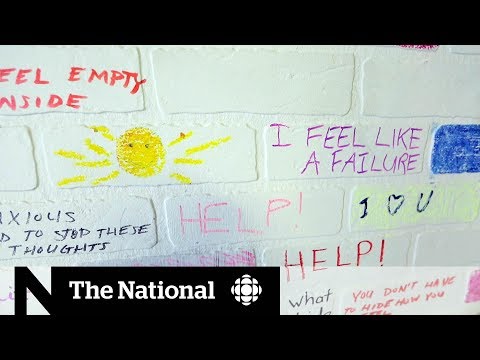
You know how we sometimes don’t talk about mental health? It’s, like, this huge thing in our lives but feels kinda taboo.
This blog provides content for informational, educational, and reflective purposes only. The information published here does not constitute medical, psychological, or psychiatric advice, and it does not replace the evaluation, diagnosis, treatment, or individualized guidance of a properly licensed professional. If you believe you may be experiencing a psychological or health-related issue, consult a qualified professional as soon as possible before making important decisions about your well-being. Do not self-medicate or start, stop, or change medications, therapies, or treatments on your own. While we aim to provide useful and accurate information, we do not guarantee that it is complete, current, or suitable for every situation. Your use of this content is at your own risk, and reading it does not create a professional, clinical, or therapeutic relationship with the author or this website.
When someone mentions anxiety or depression, people often cringe or change the subject. Why is that? It’s like we’re afraid to even say the words.
But here’s the deal: mental health affects everyone. Seriously. We all know someone who’s struggling, even if they don’t talk about it.
That’s why raising awareness is so important. The more we chat about it, the less mysterious and scary it becomes.
Let’s break down those walls and start some real conversations. Together, we can challenge that stigma and show support for each other!
Breaking the Silence: Understanding Mental Health Stigma – Downloadable PDF Guide
Understanding mental health stigma is like peeling back layers of an onion—it can make you cry, but it also reveals something deeper. The folks who struggle with mental health issues often face shame and misunderstanding from those around them. And that stigma? It can be a major roadblock to people getting the help they need.
Mental health stigma usually comes in two flavors: public stigma and self-stigma. Public stigma is what others think. People might believe that someone with depression is just being lazy or that anxiety is all in someone’s head. These misconceptions can lead to discrimination, which sucks, honestly.
Then there’s self-stigma. This happens when someone internalizes those negative beliefs about mental illness—like feeling worthless for having anxiety or depression. It’s like carrying around a heavy backpack filled with rocks, making it hard to ask for help because you feel ashamed.
What really needs to happen is awareness. Initiatives aimed at educating people are crucial. These initiatives can range from community workshops to social media campaigns that promote understanding and empathy.
Here are some key points about challenging mental health stigma:
- Education. It’s important to provide accurate information about mental health conditions. People need to know that they’re real illnesses, not just personal failings.
- Personal Stories. Sharing experiences can humanize the issue and help others feel less alone. Like, remember how powerful it was when celebrities started opening up about their struggles? That makes it relatable.
- Supportive Environments. Creating spaces where individuals feel safe talking about their feelings without the fear of judgment can be transformative.
- Advocacy. Taking part in or supporting organizations dedicated to promoting mental health awareness sends a message: we care!
Let’s say you’re at work and your colleague, Alex, suddenly seems distant and withdrawn. If someone assumes he’s just slacking off rather than realizing he might be battling depression, that’s public stigma at play right there!
Breaking the silence starts with conversations—honest ones. So if you hear someone making a joke about “going crazy,” don’t just let it slide by; speak up! A gentle reminder that mental health isn’t a punchline might shift their perspective.
Moreover, if you find yourself grappling with your own feelings related to mental health, consider reaching out for help without guilt or shame—because remember, asking for help doesn’t make you weak; it shows strength.
Ultimately, challenging this stigma takes all of us working together—that’s how we turn the tide toward understanding and compassion instead of fear and judgment. Breaking barriers begins with awareness—so let’s keep talking!
4 Effective Strategies to Reduce Mental Health Stigma and Foster Acceptance
Mental health stigma is like a heavy backpack that we all carry, whether we know it or not. It can really get in the way of people seeking help and feeling good about themselves. So, if you’re looking for ways to challenge this stigma and create a more accepting environment, here are some effective strategies.
- Awareness campaigns: These are super important! When communities come together to promote understanding around mental health issues, they open up conversations. Like, think about mental health awareness month—these campaigns can shine a light on what it really means to live with a mental health condition. They help people see that, hey, it’s okay to talk about feelings and struggles.
- Education programs: Knowledge is power! Schools, workplaces, and community centers should implement programs that educate everyone about mental health. Teaching folks the facts—like how common conditions like anxiety or depression are—can change perceptions. You know, when you realize someone you admire has dealt with these issues too, it humanizes everything.
- Storytelling: This one’s huge! Personal stories can break down walls. When someone shares their journey with mental illness openly—like saying “I’ve battled depression” or “I sought therapy”—it creates connection and empathy. It’s hard not to feel something when you hear real experiences from real people.
- Encouraging supportive discussions: Creating spaces where people feel safe to share their thoughts is key. Host community forums where everyone can speak up without fear of judgment. You’d be surprised at how much people want to talk about mental health if they feel they won’t be ridiculed for it.
These strategies don’t just reduce stigma; they help build understanding and compassion too. Remember that little changes can lead to big impacts. You might start noticing more open conversations among friends or even in your workplace! With each step forward in this journey against stigma, we creep closer to a world where everyone feels valued and accepted for who they are—mental health battles included!
Breaking Barriers: Addressing Mental Health Stigma in Minority Communities
Mental health stigma is like this heavy fog that hangs over minority communities. It’s everywhere, and it can make people feel isolated and misunderstood. You know, the thing is, when mental health issues pop up, many folks in these communities don’t want to talk about it. They fear judgment or think they’ll be seen as weak.
Breaking barriers means having conversations. Seriously, just talking about mental health can lighten that fog a bit. Family gatherings or community events can actually be great platforms to start these discussions. Imagine someone sharing their own experience with anxiety or depression—it could encourage others to speak up too!
- Education is key. When people learn about mental health, it demystifies a lot of misconceptions. Workshops or info sessions in community centers can help clarify what mental health really is versus the myths that float around.
- Cultural sensitivity matters. It’s essential for initiatives to respect cultural beliefs and values. For instance, some cultures may tie mental health struggles to spiritual battles instead of seeing them as medical issues. Programs need to acknowledge these perspectives for real impact.
- Role models can inspire change. When influential figures speak up about their own struggles with mental health, it resonates! Think of local athletes or leaders—if they share their stories, it gives others hope and motivation to seek help without feeling ashamed.
- Access to resources. Many minorities may not know where to find help. Visible and accessible resources are crucial. Stuff like culturally competent therapists or bilingual hotlines can make a world of difference for someone who feels lost.
Let’s not forget that stigma often feeds into feelings of shame and silence—especially among young people. I remember chatting with a guy who grew up in a close-knit family where any talk about emotions was kind of dismissed as “weak.” That pressure pushed him to bottle everything up until he finally reached a breaking point.
Awareness initiatives are changing the game! They’re aimed at highlighting the importance of mental well-being while challenging those old stereotypes that keep people from getting care. Social media campaigns featuring real stories from individuals in these communities have been super effective too! They humanize the conversation and show that vulnerability is actually strength.
The more we work on breaking these barriers together, the more we can create an environment where seeking help doesn’t feel scary but rather like a step toward healing! Remember—every voice added chips away at stigma little by little; unity makes us stronger in this journey towards understanding and support.
Mental health stigma can feel like this heavy blanket, you know? It’s all around us, often wrapped up in silence and misunderstanding. A while back, I was chatting with a friend who had been struggling with anxiety for years but was too afraid to talk about it. She mentioned how people around her made offhand comments about «just toughening up» or «getting over it.» That hit hard because it showed how deep-rooted the stigma can go.
Awareness initiatives are like the light breaking through that heavy cloud. They’re not just about facts and figures; they’re about real stories and experiences. Sharing those narratives helps humanize mental health struggles and makes them relatable. Remember that time in school when everyone just wanted to fit in? Well, imagine trying to fit in while also dealing with something like depression or PTSD. It’s tough!
Organizations work hard to create events and campaigns that spark conversations. They bring people together—like community forums or social media movements—and slowly chip away at those misconceptions. When someone hears another person say, “Yeah, I went through therapy and it helped me,” it starts to shift perspectives.
It’s all about showing that mental health is part of our overall well-being. Just like we need to take care of our bodies when we get sick, we also need to care for our minds when they’re struggling! And honestly? It’s not an easy battle. But these awareness initiatives provide a path forward, kind of like a roadmap toward understanding.
Let’s face it: We all have our ups and downs, and talking openly can help reduce the shame that often keeps people quiet. The more we chat about mental wellness—without fear—the easier it’ll be for someone else sitting in silence to find their voice too. And you know what? That might just be the first step towards healing, both individually and collectively. So here’s hoping we keep pushing for more open conversations—no judgment attached!