Feeling weighed down by sadness? Like, it’s just hanging over you, day in and day out? You’re not alone. Seriously, depression can feel like a heavy cloud that just won’t move.
This blog provides content for informational, educational, and reflective purposes only. The information published here does not constitute medical, psychological, or psychiatric advice, and it does not replace the evaluation, diagnosis, treatment, or individualized guidance of a properly licensed professional. If you believe you may be experiencing a psychological or health-related issue, consult a qualified professional as soon as possible before making important decisions about your well-being. Do not self-medicate or start, stop, or change medications, therapies, or treatments on your own. While we aim to provide useful and accurate information, we do not guarantee that it is complete, current, or suitable for every situation. Your use of this content is at your own risk, and reading it does not create a professional, clinical, or therapeutic relationship with the author or this website.
But guess what? There’s something called TMR Therapy that might just shake things up for you. It stands for Transformational Movement Release. Sounds cool, right? The idea is kinda simple: move your body to change how you feel.
Imagine using dance or movement to help kick that dark cloud away. It’s not your typical therapy vibe, but hey, sometimes you gotta try something new! Let’s chat about this and see if it could be the thing you’re looking for.
Understanding TMS Treatment for Depression: A Comprehensive Guide to Transcranial Magnetic Stimulation
Transcranial Magnetic Stimulation, or TMS for short, is pretty interesting stuff when it comes to treating depression. If you’re feeling stuck in that heavy fog of sadness and traditional therapies haven’t really worked for you, TMS might be an option worth exploring. So, what is it exactly?
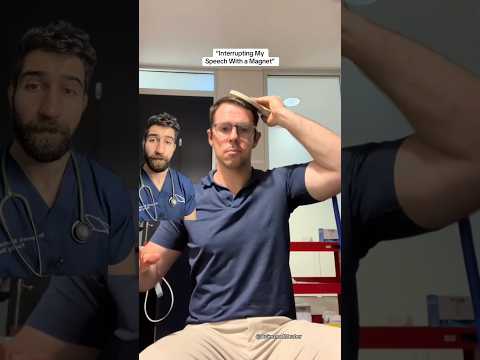
TMS is a non-invasive procedure that uses magnetic fields to stimulate nerve cells in the brain. Essentially, it’s like using magnets to help wake up those parts of your brain that might be sleeping on the job when it comes to mood regulation. The magic really happens in the prefrontal cortex, a region that’s often less active in people with depression.
Now, let’s get into how it works. Picture this: during a TMS session, you sit comfortably in a chair while a magnet device is held near your head. It delivers magnetic pulses to your brain. You won’t feel much — maybe a tapping sensation or slight discomfort — but nothing too wild. Each session can last about 30-40 minutes, and typically you’d go two to five times a week over several weeks.
You might be thinking: “Does this really work?” Well, studies show that many people experience significant relief from their symptoms after a series of TMS sessions. Some folks even find their symptoms improve within just a few weeks!
Of course, it’s not like magic; results vary from person to person. But some people who’ve tried everything else may finally find some hope through TMS.
As for side effects? They exist but are generally mild compared to medications. Headaches and scalp discomfort are common but usually fade away shortly after treatment. Serious side effects like seizures are very rare.
If you’re wondering whether you’re a good candidate for TMS treatment, it’s best to chat with your healthcare provider about your specific situation. They’ll help you weigh the pros and cons based on your history and needs.
In summary, TMS is an innovative way to tackle depression when other treatments haven’t hit the mark for you. It’s safe, generally well-tolerated, and backed by science—definitely something worth considering if you’re on the search for relief!
Exploring Alternative Treatments for Depression: Beyond Lexapro
Exploring alternative treatments for depression can feel like a maze. You’re not alone in searching for options beyond medications like Lexapro. It’s understandable to want something that fits better with your life or mood. So, let’s take a closer look at some alternatives, especially focusing on TMR therapy.
TMR Therapy, or Transformational Magnetic Resonance Therapy, is one of those emerging treatments that’s been catching attention. Essentially, it uses magnetic fields to stimulate areas of the brain thought to be involved in mood regulation. It’s non-invasive and doesn’t involve medication, which can be a relief for those wary of side effects.
People who’ve tried TMR therapy often report feeling more energized and less weighed down by depressive thoughts. It’s interesting because it doesn’t just target symptoms; it aims to help you feel fundamentally different over time. Imagine waking up one day and feeling lighter—that’s what some folks have described after a series of sessions.
Now, other alternative treatments might include options like acupuncture or yoga—yes, yoga! These methods focus more on the mind-body connection. They can help ease anxiety and improve your overall mood through relaxation techniques and increased body awareness.
Meditation is another powerful tool. You don’t need to become a monk; even short daily sessions can help clear your mind and reduce stress. Focusing on your breath or practicing mindfulness helps anchor you in the present moment, pulling you away from spiraling thoughts typical of depression.
Nutritional therapy is also worth considering. A balanced diet rich in omega-3 fatty acids, antioxidants, and vitamins has shown promise in improving mood stability. Seriously, it’s all about feeding your brain right! Think about incorporating more fish, leafy greens, and nuts into your meals.
Also worth mentioning are herbal supplements. St. John’s Wort is popular among some folks with mild depression, but always check with a healthcare provider before diving into supplements—some might interfere with other medications you’re taking!
Of course, there’s no one-size-fits-all approach here; what works wonders for one person could be a flop for another. The key is exploring these alternatives while keeping communication lines open with your healthcare team.
So yeah—if you’re considering stepping outside traditional treatment methods like Lexapro, therapies such as TMR or holistic approaches might offer the fresh start you’re looking for! Keep experimenting until you find what resonates best with you; after all, mental health is deeply personal!
Exploring Effective Treatments for Treatment-Resistant Depression (TRD)
Treatment-resistant depression (TRD) can feel like an endless cycle of hopelessness, you know? When standard treatments like therapy and medication just don’t seem to cut it, people often seek out alternatives. That’s where **transformational treatments**, like TMR therapy, come into play.
TMR, or **transcranial magnetic resonance therapy**, is kinda interesting. It’s a non-invasive approach that uses magnetic fields to stimulate specific areas of the brain. So instead of popping pills or talking it out in sessions, you’re literally changing your brain’s activity patterns. Sounds like something straight out of a sci-fi movie, right?
One thing to keep in mind with TMR therapy is that it doesn’t work for everyone. But some people have experienced amazing results! They report feeling more energized and less trapped in their own heads. It’s not uncommon for someone who has battled TRD for years to finally feel a flicker of hope after trying this.
- Brain Stimulation Techniques: There are other options beyond TMR as well. **Electroconvulsive therapy (ECT)** is another well-known treatment for TRD. While it sounds intense — and can be — many people find relief from severe symptoms after just a few sessions.
- Psychedelic-Assisted Therapy: This area is gaining traction too! Substances like psilocybin (the active compound in magic mushrooms) and MDMA have shown promise when combined with therapeutic practices. They can open up emotional blockages in ways traditional methods sometimes can’t.
- Ketamine Treatment: You might’ve heard about ketamine being used for depression lately. This anesthetic has been repurposed for mental health, providing rapid relief for some individuals struggling with TRD.
But what really makes these treatments transformational isn’t just the science behind them; it’s about the personal stories that emerge. Picture someone named Alex who tried every antidepressant on the market without success. After starting TMR therapy, Alex felt different — lighter even! It’s not magic; it’s science meeting opportunity.
Of course, navigating these options can be tricky without proper guidance from mental health professionals who understand your unique situation. So if you’re considering these routes, chat with a psychiatrist or therapist you trust. Seriously, they can help tailor your journey towards healing.
If you or someone close to you is dealing with TRD, remember: hope isn’t lost! There are cutting-edge treatments out there waiting to be explored. And who knows? Your breakthrough might be just around the corner.
You know, depression can feel like this heavy fog just rolling in and wrapping around you. It’s suffocating and makes everything seem dull, like you’re watching life through a tinted window. But I’ve heard some interesting stuff lately about TMR therapy, which stands for Transcranial Magnetic Resonance therapy. It’s a mouthful, right? But what it actually does is pretty cool.
Imagine a treatment that aims to lift that fog without heavy meds or invasive procedures. TMR therapy uses magnetic fields to stimulate nerve cells in the brain, particularly those linked to mood regulation. It sounds kinda sci-fi, but people are really vibing with it. I once chatted with someone who went through it—they described their experience like flipping a switch. You know that moment when the sun breaks through the clouds? That’s how they felt after a few sessions.
What’s super neat about TMR is how non-invasive it is. No major side effects or downtime—just sit back and let technology do its thing for a bit. It’s not a magic bullet, but for some folks who’ve been stuck in that murky place of depression, it can feel like finally getting air after being underwater too long.
But here’s the thing: Not everyone responds to treatments the same way. It’s all about finding what works for you. Some might find TMR to be their golden ticket while others might need a different approach or combo of therapies because, let’s face it, mental health is complicated!
There’s this comforting thought that strides are being made in understanding and treating depression more effectively now than ever before. We’re all just trying to navigate it together—like an ongoing conversation about our minds and emotions.
So if you or someone you know feels weighed down by that persistent sadness, maybe exploring options like TMR could help light up a path forward. Just remember: Life has its ups and downs; finding help can make those downs feel more manageable!