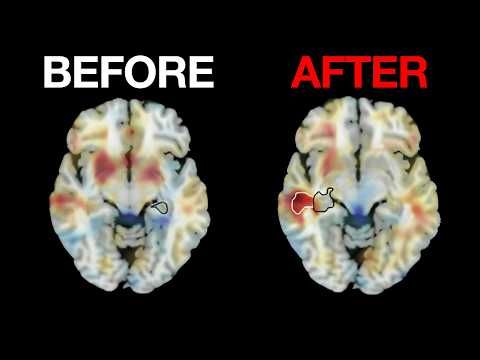
Have you heard of ECT, or electroconvulsive therapy? It sounds pretty intense, right?
This blog provides content for informational, educational, and reflective purposes only. The information published here does not constitute medical, psychological, or psychiatric advice, and it does not replace the evaluation, diagnosis, treatment, or individualized guidance of a properly licensed professional. If you believe you may be experiencing a psychological or health-related issue, consult a qualified professional as soon as possible before making important decisions about your well-being. Do not self-medicate or start, stop, or change medications, therapies, or treatments on your own. While we aim to provide useful and accurate information, we do not guarantee that it is complete, current, or suitable for every situation. Your use of this content is at your own risk, and reading it does not create a professional, clinical, or therapeutic relationship with the author or this website.
I mean, when you think about it, a lot of folks picture a room full of equipment and some high-tech stuff. But the truth is, it’s been around for decades and helps people with severe depression—especially when things get really dark.
Like my friend Sarah. She used to struggle with psychotic depression, which is a whole different ballgame. She felt trapped in her own mind. And guess what? ECT became her light at the end of the tunnel.
It’s wild how something that sounds so scary can actually help lift that heavy fog for some people. So, let’s talk about what ECT really is and how it impacts not just the mind but also emotions and everyday life. You might find it’s not as terrifying as it seems!
Understanding Recovery: How Soon After ECT Can You Expect to Feel Better?
When it comes to understanding recovery after ECT, or electroconvulsive therapy, things can get a bit tricky. You might be wondering, “How soon will I start feeling better?” Well, the truth is, everyone’s experience is unique.
ECT is often used for severe mental health issues like psychotic depression. It works by sending small electric currents through the brain, which can really help reset how you’re feeling. But here’s the kicker: the timeline for recovery isn’t set in stone.
Immediate Effects
Some patients notice changes almost right away after their first session. Like feeling a little more energized or less cloudy in their thoughts. But you might not experience that bump in mood immediately; sometimes it takes a few treatments to notice anything significant.
Timeline Expectations
On average, many people start to feel some improvements between one to three weeks after beginning ECT sessions. But again, this varies widely. It’s common to have around six to twelve treatments over a couple of weeks, and the cumulative effect can lead to gradual progress.
- Initial Days: You might feel groggy or confused; that’s pretty typical.
- Week One: Some folks report slight mood lifts but don’t expect miracles yet.
- Weeks Two to Three: This is when things often start shifting more noticeably.
- A Month In: Many see significant changes by this time.
Also, let’s not forget about those pesky side effects you could encounter. Common ones include headaches or memory issues—especially short-term memory loss. It can be disheartening when you can’t remember small stuff like what you had for breakfast yesterday!
The Role of Follow-Up Care
You know what really helps? Having a solid follow-up plan with your healthcare provider. Therapy and medications may continue alongside ECT treatment and are crucial in that post-ECT recovery phase. You might find talk therapy beneficial as you’re processing feelings that come up during this journey.
It’s important not to rush the process; it does take time for your brain chemistry to adjust and for you to truly feel yourself again. Stay connected with your support system—friends, family—they can keep you grounded when things get overwhelming.
In short, while some people may feel relief pretty quickly thanks to ECT, others need more time before seeing a real difference in their mood or outlook on life. Just hang tight! Recovery isn’t linear either—some days will be better than others—and that’s all part of the ride!
Essential Guide: Medications to Avoid Before Electroconvulsive Therapy (ECT)
Electroconvulsive therapy (ECT) can be a game changer for people dealing with severe depression and some other mental health conditions. But if you’re considering this treatment, it’s crucial to know about medications you should avoid beforehand. Seriously, this is important stuff.
Medications that can interfere with ECT include those that affect how your brain functions during the procedure. For instance, certain antidepressants may need to be adjusted or paused temporarily. Here are a few key ones to think about:
- Monoamine oxidase inhibitors (MAOIs): These can interact negatively with ECT. If you’re taking these, your doctor might ask you to stop them at least two weeks before treatment.
- Tricyclic antidepressants: Like MAOIs, these can also complicate things during ECT sessions. Your doctor will guide you on whether to hold off on them.
- Benzodiazepines: While they might help with anxiety, they can dampen the effectiveness of ECT. It’s often best to minimize these medications prior to your treatment.
- Anti-seizure medications: Some of these meds could potentially interfere with the seizures induced by ECT—what a twist!—so let your provider know what you’re taking.
The safety first! approach is super important here. Doctors usually want you stable but also want the best outcome from the procedure. It’s not just about stopping certain meds; it’s about creating the right balance.
Let me share a quick story: A friend of mine went through ECT for severe depression and was given clear instructions on her meds beforehand. She was on an antidepressant that had to be paused before her treatments. At first, she was nervous about how she’d feel without it, but her doctor reassured her that it was temporary and necessary for optimizing her care during ECT.
Also, it’s worth mentioning that your healthcare team will be evaluating everything else going on in your life—lifestyle factors like stress and support systems matter too!
So in summary, knowing which medications might mess with ECT is essential for maximizing its benefits while ensuring safety throughout the process. Remembering this could make all the difference in your experience and recovery journey—don’t hesitate to talk it out with your doctor! They have your back in navigating this stuff so you come out feeling better than ever!
Navigating Life After ECT Treatment: Tips for Recovery and Well-Being
So, you or someone you know has been through ECT, right? That’s electroconvulsive therapy for those not in the know. It can be really beneficial for conditions like psychotic depression when other treatments don’t cut it. But hey, getting back into the swing of things afterward can feel a bit daunting. Here’s a look at what to expect and some strategies for navigating life after ECT.
First off, **give yourself time**. ECT can leave you feeling a bit foggy in your head for a while. It’s normal to have changes in memory or concentration, so don’t beat yourself up if things don’t click right away. Take it easy on your brain!
You might notice shifts in your emotions too. Some people feel more stable after ECT while others may still struggle with ups and downs. **Recognizing these feelings** is important; keep a journal if that helps sort out what’s going on in your head.
Staying organized can be super helpful. Sometimes after ECT, routine tasks feel overwhelming. Try using planners or reminders on your phone to keep track of appointments or daily tasks—whatever works best for you!
Another key point is reaching out for support. You don’t have to go through this solo! Talk to friends or family who get it or look into support groups where people are on similar journeys. Sharing experiences can really lighten the load.
Consider talking with a therapist as well. They can help process everything you’re feeling and guide you through any lingering effects of treatment—like anxiety about being out and about again.
It’s also important to **focus on self-care** during recovery. Things like eating well, moving around a bit, getting good sleep—these might sound basic but they really matter! When I was struggling with my mental health once, just taking walks made me feel more grounded and connected.
And hey, if you find that certain activities bring joy or relaxation back into your life, lean into those! Whether it’s art projects, reading books that suck you in, or even binge-watching that show everyone talks about—having something uplifting matters!
Lastly, give yourself grace if some days are harder than others; recovery isn’t linear by any means! Celebrate small victories along the way complishinments like making it through a tough day—even just getting out of bed counts sometimes!
At the end of the day, remember: you’ve gone through something significant like ECT; it’s cool to give yourself permission to take steps forward at your own pace. Recovery looks different for everyone, so just keep moving forward one step at a time and surround yourself with people who lift you up!
Electroconvulsive therapy, or ECT, often gets a bad rap. People think it’s some kind of last resort, like a last-minute save in a game that’s already lost. But let me tell you—when it comes to serious conditions like psychotic depression, ECT can be a real game changer.
Imagine feeling so overwhelmed by darkness that even the smallest tasks seem insurmountable. You wake up every morning in this fog, just dreading the day ahead. That was my friend Mia’s reality for years. She battled psychotic depression, and let me tell you, it was brutal for her and those around her. The voices in her head told her she was worthless; she’d sometimes lose touch with reality completely. It wasn’t just sadness but this deep despair combined with paranoia and hallucinations.
She tried medications and therapy, but the relief was only temporary at best. Then came ECT into the picture. At first, she was terrified—like anyone would be—thinking it sounded outdated or maybe even barbaric. But after doing some research and talking to her doctor, she decided to give it a shot.
What really surprised her? The effects of ECT weren’t just physical; they were psychological too. After the initial sessions, Mia started feeling more like herself again! It wasn’t instant—she still had to work through her feelings—but there was this sense of clarity creeping in that hadn’t been there for so long.
ECT works by sending small electrical currents through the brain while you’re under anesthesia. It sounds intense, right? But here’s the thing: it’s proven effective for severe depression when other treatments fall short. Most people experience fewer symptoms after treatment; Mia did! She described her mind as having lifted some heavy fog—the hopeless thoughts weren’t gone entirely but were much quieter now.
Of course, it’s not all sunshine and rainbows afterward. Some folks experience memory loss or confusion following treatment—it’s a side effect you can’t ignore—but usually these things improve over time. For Mia, some gaps in memory were worth being free from debilitating symptoms.
It made me think about how people perceive mental health treatments overall. There’s still so much stigma surrounding methods like ECT even when they can be life-saving for many individuals dealing with serious issues like psychotic depression.
So yeah, if you find yourself or someone you love considering ECT, approach with an open mind but also do your homework! Talk to healthcare providers about what to expect—because sometimes what feels scary on paper can lead to significant breakthroughs in real life! Just remember that healing is often messy; it might take time to figure out what works best for each person individually.
Ultimately though? Mia is doing way better these days—and seeing that transformation has made it all feel worthwhile!