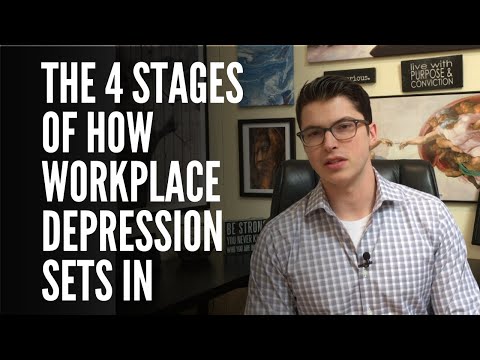
Alright, let’s be real for a sec. Work can be pretty rough sometimes, huh? You wake up, get dressed, and head out, but deep down, everything feels heavy and off.
This blog provides content for informational, educational, and reflective purposes only. The information published here does not constitute medical, psychological, or psychiatric advice, and it does not replace the evaluation, diagnosis, treatment, or individualized guidance of a properly licensed professional. If you believe you may be experiencing a psychological or health-related issue, consult a qualified professional as soon as possible before making important decisions about your well-being. Do not self-medicate or start, stop, or change medications, therapies, or treatments on your own. While we aim to provide useful and accurate information, we do not guarantee that it is complete, current, or suitable for every situation. Your use of this content is at your own risk, and reading it does not create a professional, clinical, or therapeutic relationship with the author or this website.
Like maybe you’ve been feeling low at your desk, struggling to focus while your coworkers seem to be thriving. Not cool, right? It’s tough to shake that feeling when the daily grind becomes a bit much.
But you’re not alone in this. Seriously! A lot of people face workplace depression at some point. The thing is, there are ways to handle it and take care of yourself without completely losing it or feeling overwhelmed.
So let’s chat about how you can manage those feelings and lighten the load while still being a superstar at work! Trust me, there’s hope out there.
Essential Guide to Mental Health in the Workplace: Download Your Free PDF Now
Managing depression in the workplace is super important. It impacts not just how you feel but also your productivity and relationships with co-workers. You may not realize it, but a lot of people deal with this silently.
First off, what does workplace depression even look like? Well, it can manifest in different ways. You might notice yourself feeling overwhelmed, exhausted all the time, or even irritable over stuff that usually wouldn’t bother you. Maybe you find it tough to concentrate or think clearly—like your brain’s stuck in a fog. And let’s be honest, showing up to work feeling like this? It’s no picnic.
Recognizing Signs: If you’re experiencing several of these symptoms for a prolonged period, it’s essential to address it. Ignoring these feelings doesn’t help; they tend to snowball if left unchecked.
Coping Strategies: So what can you do about it? Here are some ways to manage workplace depression:
- Talk It Out: Seriously, have an open chat with someone you trust—whether that’s a friend or HR. Speaking about your feelings can lighten the load.
- Set Boundaries: Learn to say no sometimes. Overcommitting can lead to burnout and negativity.
- Pace Yourself: Break tasks into smaller steps, so they feel less overwhelming. Tackle them one by one!
- Create Routine: Having a predictable schedule helps bring some stability in turbulent times.
Now let’s consider what workplaces can do—they play a massive role here too! Companies should foster an inclusive environment where mental health is prioritized seriously.
Support Initiatives: For example:
- Mental Health Days: Some companies allow employees to take time off specifically for mental health reasons without feeling guilt or pressure.
- Employee Assistance Programs (EAP): These programs provide free counseling and support services for workers needing extra help.
- Mental Health Training: Investing in training for managers can help them recognize when someone is struggling and respond appropriately.
One friend of mine once shared how her job had zero support regarding mental health. She felt trapped and alone before finally reaching out for help. Turned out, her company had launched an EAP just weeks later! She felt more at ease knowing there were resources available.
Understanding the impact of workplace depression is key to creating a healthier environment for everyone involved. You matter; your mental health matters! So whether you’re struggling personally or want to support a co-worker, just remember—acknowledging the challenge is the first step toward better days ahead.
Understanding the Importance of Mental Health in the Workplace: A Comprehensive PDF Guide
Mental health in the workplace is a big deal. You might not realize it, but your emotional state can seriously impact your performance and overall job satisfaction. It’s like this: when you feel good mentally, you’re more productive, engaged, and less likely to call in sick. So, let’s dig into why mental health matters so much at work.
First off, consider this: depression is one of the leading causes of disability worldwide. When someone struggles with depression at work, it’s not just about them feeling down; it affects their colleagues too. Imagine being on a team where one person is always disengaged or struggling to keep up. That can create a ripple effect on everyone’s morale and productivity.
Now, looking at workplace culture, creating an environment where mental health is prioritized can lead to positive change. You know how some places have open-door policies? That kind of environment encourages people to talk about their emotional well-being without fear of judgment or penalty.
- Stress reduction: Helping employees manage stress can lower rates of burnout and increase satisfaction.
- Increased productivity: A mentally healthy workforce tends to perform better overall.
- Beter teamwork: When people feel good mentally, they communicate better and support each other more effectively.
The thing is, mental health isn’t just something to think about during specific events like Mental Health Awareness Month; it should be part of the everyday workplace environment. Regular check-ins with employees can go a long way. Like, maybe a casual chat every now and then? Just asking how someone’s doing can make them feel valued.
Anecdotes really highlight this stuff too! I remember hearing about a company that implemented weekly “wellness Wednesdays.” They offered yoga classes, meditation sessions, or even just time for employees to step outside for some fresh air. It was incredible! People felt way more connected and less stressed out.
If you’re in charge of managing a team or creating policies around mental health at work, consider offering training for all staff around these issues too. Knowledge goes a long way in helping people understand what mental health struggles look like—so they can support their coworkers better!
- Crisis intervention training: Equip managers with tools to help staff who may be struggling.
- A mental health policy: Clear guidelines on what resources are available for those who need them.
No doubt about it—supporting your employees’ mental health leads to less absenteeism and lower turnover rates. Seriously! Happy employees stick around longer because they feel supported in their surroundings.
If you see someone acting differently—maybe withdrawn or suddenly quiet—it might be worth checking in with them gently. You could be that person who makes a difference! Just reaching out says a lot without needing grand gestures.
The bottom line here is clear: prioritizing mental health in the workplace isn’t just nice; it’s essential! Acknowledging these issues head-on creates a healthier vibe for everybody involved. And isn’t that what we all want? A happy place to work where we feel understood?
Understanding the Impact of Poor Mental Health in the Workplace: Causes, Consequences, and Solutions
Understanding the Impact of Poor Mental Health in the Workplace
Mental health in the workplace is a big deal, and it affects everyone, from the bottom up. When you think about it, a lot of us spend a huge chunk of our lives at work. So if mental health is suffering, it can lead to some serious chaos—not just for you but for your colleagues too.
Causes of Poor Mental Health in the Workplace
Stress. Yeah, that’s a huge one. Sometimes it piles up from tight deadlines, heavy workloads, or even conflicts with coworkers. It doesn’t take much for stress to turn into something bigger, like anxiety or depression.
Isolation can also be a real kicker. If you’re working remotely or just don’t have strong connections at work, loneliness can creep in and mess with your mood and motivation.
Then there’s job insecurity. In today’s ever-changing economy, worrying about layoffs or not having enough hours can add fuel to that mental fire.
Lastly—burnout! It happens when you’re completely drained—physically and emotionally. You might start feeling like you’re just going through the motions without any real purpose.
Consequences of Poor Mental Health
When mental health takes a hit at work, there are some major consequences you might see:
Now let me tell you a story about Sarah—a friend who worked at this high-pressure marketing firm. She was always stressed but didn’t think much about it until she started feeling super anxious all the time. Meetings became panic-fests for her; she dreaded speaking up because she feared people would judge her ideas.
Eventually, Sarah decided enough was enough—she took some time off work to focus on herself and get therapy. Afterward, she felt like a new person! Not only did her workload feel lighter after returning but her creative juices started flowing again too.
Solutions for Managing Workplace Depression
Addressing these issues requires effort from both individuals and companies alike:
Addressing poor mental health in the workplace isn’t just about policies; it’s about fostering understanding and respect among colleagues too.
Life gets tough sometimes; working on our mental wellness together makes all the difference!
Imagine this: you’re sitting at your desk, and the weight of everything feels heavy. You glance at the clock—it’s only 10 a.m., and you feel like you’ve already run a marathon. That feeling is all too real for many people dealing with workplace depression. It’s like being stuck in a fog where every task feels monumental, and enjoying work seems like a distant memory.
So, what’s going on here? Well, work can be a major source of stress, and when that stress builds up, it can lead to feelings of sadness or even hopelessness. It’s not just about the workload—sometimes it’s the environment or that nagging feeling that you’re not good enough. I remember chatting with a friend who had an amazing job but felt constantly drained. She had this vibe where her passion for her work was slowly fading, making each day feel longer than the last.
Finding ways to manage these feelings can really make a difference in your mental health. First off, recognizing how you feel is key. If you notice signs like fatigue, irritability, or just feeling unmotivated, it might be time to take a step back and assess what’s going on.
Next up is setting boundaries. Wow, this one is tough! It can feel like saying no is synonymous with slacking off—totally not true! But when you protect your personal time and mental space, you’re giving yourself room to breathe.
And hey, talking about how you’re feeling can also help lift some of that heaviness off your shoulders (easier said than done sometimes). Whether it’s confiding in a trusted colleague or seeking out professional help—you don’t have to do this alone.
It’s crucial to take breaks throughout the day too; stepping away from your desk—even if it’s just for five minutes—can clear your head and recharge those batteries. Simple stuff like taking walks or practicing mindfulness can bring some calm into the chaos.
All in all, managing workplace depression isn’t about ignoring the reality of tough days; it’s about finding small ways to give yourself grace along the way. Everyone has those moments where things just feel overwhelming. But remember: it’s totally okay to ask for help when you’re struggling because prioritizing mental health ultimately leads to better productivity and satisfaction at work—and that’s something we all want!