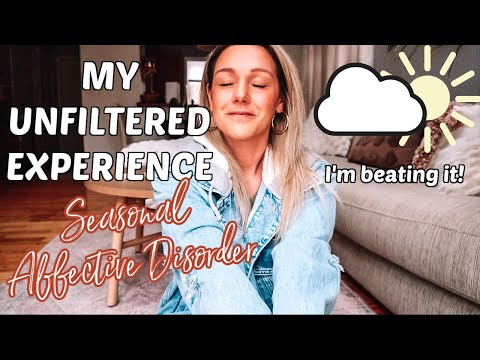
You know those days when the sun barely shows up? And you just feel, I don’t know, kind of heavy? I’ve been there. Seriously, battling that gloomy feeling can be a struggle.
This blog provides content for informational, educational, and reflective purposes only. The information published here does not constitute medical, psychological, or psychiatric advice, and it does not replace the evaluation, diagnosis, treatment, or individualized guidance of a properly licensed professional. If you believe you may be experiencing a psychological or health-related issue, consult a qualified professional as soon as possible before making important decisions about your well-being. Do not self-medicate or start, stop, or change medications, therapies, or treatments on your own. While we aim to provide useful and accurate information, we do not guarantee that it is complete, current, or suitable for every situation. Your use of this content is at your own risk, and reading it does not create a professional, clinical, or therapeutic relationship with the author or this website.
A lot of folks go through this, especially when seasons change. Ever heard of Seasonal Affective Disorder (SAD)? It’s like a hidden darkness creeping in when winter hits.
Imagine waking up and the world feels duller. That’s what it can be like. It messes with your energy and mood, making everyday stuff feel like a mountain to climb.
But hey, it’s not just you! There are ways to deal with these challenges. So let’s chat about what SAD really is and how to navigate those murky waters together!
Effective Strategies for Coping with Seasonal Affective Disorder: Tips for a Brighter Season
Seasonal Affective Disorder, or SAD, can really put a damper on your spirits when those shorter days and cloudy skies roll in. You know? It’s that feeling of heaviness that creeps in as the seasons change. But, hey, there are ways to navigate through it and even find some brightness during those tough months.
Understanding SAD is a big part of coping. It’s not just about feeling “blue” when winter hits; it can lead to fatigue, changes in sleep patterns, and even changes in appetite. Knowing this means you’re not alone—it’s super common. And recognizing what you’re dealing with can help you tackle it head-on.
One effective strategy that really works for many people is light therapy. This involves using a special lamp that mimics natural sunlight. The trick is to sit near it for about 20-30 minutes each day. It might sound a bit cliché, but seriously—getting that extra light can help boost your mood and energy levels significantly.
Then there’s staying active. I get it, moving around might be the last thing you wanna do when it’s cold outside. But physical activity releases endorphins, also known as those feel-good hormones we all crave! Even if it’s just walking around the block for a few minutes or doing some stretches at home, keeping your body in motion can really elevate your mood.
Another tip is to connect with others. Isolation often feeds into feelings of sadness. Reach out to friends or family for chats or even plan some fun outings together—like going to a coffee shop or taking a short day trip when you can! Just being around positive people can make a world of difference.
You might also want to look into mindfulness techniques. Practicing things like meditation or yoga helps ground you in the present moment. When you focus on your breath or engage in stretching exercises, it’s like giving your mind a little vacation from worries and stressors.
Also, don’t underestimate the power of a healthy diet. Eating well—inclusive of those vibrant fruits and veggies—can greatly impact how you feel both physically and emotionally. It’s easy to reach for comfort food during these times, but try mixing it up with something colorful which could lift your spirits!
And hey, if things really start feeling overwhelming? Don’t hesitate to reach out for professional help. Therapists have tons of tools they can share with you that could aid in getting through tough seasons. Sometimes talking it out is exactly what you need.
To sum up:
- Light therapy: Mimics sunlight; use daily.
- Stay active: Endorphins equal happier moods.
- Connect with others: Don’t isolate yourself.
- Mindfulness techniques: Meditation & yoga help ground.
- A healthy diet: Nourish yourself with good foods.
- Seek professional help: Talk to someone if needed.
So yeah, while dealing with Seasonal Affective Disorder can be tough, remember there are ways to cope effectively! Embrace these strategies whenever you’re feeling down; each small step counts towards brighter days ahead!
Effective Natural Remedies for Treating Seasonal Affective Disorder
Seasonal Affective Disorder, or SAD, can feel like a heavy blanket on your mood when days get shorter and winter sets in. You might find yourself feeling down, lethargic, or even irritable. It’s not just the winter blues—it’s a real condition that affects a lot of folks. But the good news is there are some natural remedies that can help lighten that load.
1. Light Therapy
You’ve probably heard about light therapy, right? Basically, it involves sitting near a special light box that mimics sunlight. This helps with increasing serotonin levels in your brain, which can boost your mood. It’s like giving your brain a little sunshine on a cloudy day. Just 20-30 minutes each morning can make a difference.
2. Vitamin D
Since we get most of our Vitamin D from sunlight, it makes sense why people feel low during darker months. If you’re not getting enough sun exposure in winter, consider taking a Vitamin D supplement. Some studies have shown that it can improve mood and help with some symptoms of SAD.
3. Regular Exercise
Moving your body is always great for mental health! Exercise releases endorphins—those feel-good hormones—and can be super effective for managing SAD symptoms. Even something as simple as taking brisk walks outside when you can catch some daylight can really do wonders.
4. Mindfulness and Meditation
Taking time to slow down and practice mindfulness or meditation helps ground you and reduce stress levels. When the world feels hectic or dark, these practices encourage calmness and self-awareness; they keep you connected to the present moment rather than spiraling into negative thoughts.
5. Healthy Diet
Eating well is crucial during those dreary months too! Foods rich in omega-3 fatty acids (hello again fish!), whole grains, and leafy greens support both brain function and overall well-being. Avoiding sugar highs and crashes can mean fewer mood swings—so focus on balanced meals as much as possible.
That time when I struggled with my own seasonal sadness really got me thinking about this stuff deeply! I started incorporating more exercise into my routine—turns out hitting the gym or just taking long walks outside made me way more upbeat than just sulking inside.
6. Social Connections
Don’t underestimate the power of spending time with friends or family! Feeling connected—whether through coffee dates or video chats—can lift your spirits significantly when you’re feeling down.
Above all else, remember that everyone’s experience with SAD is different; what works for one person might not work for another entirely! So if you’re navigating this journey, keep trying different options until you find what feels right for you.
In short: Light up your life with therapy boxes, soak up that Vitamin D when you can, stay active, eat nutritious foods, connect socially—even small changes add up over time! You’re not alone in this battle against the winter blues; there are plenty of ways to feel better naturally!
How Cognitive Behavioral Therapy (CBT) Can Help Alleviate Seasonal Affective Disorder Symptoms
Seasonal Affective Disorder, or SAD, is no joke. It sneaks in when the days get shorter and darker, leaving you feeling low, unmotivated, and sometimes even hopeless. Fun times, right? But one method that can really help with this is **Cognitive Behavioral Therapy (CBT)**.
So, what is CBT? Basically, it’s a type of talk therapy that focuses on changing unhelpful thoughts and behaviors. With SAD, you might find yourself stuck in this cycle of negativity—the gloomy weather makes you feel down, which leads to more negative thoughts and then…well, you get trapped. CBT steps in to break that cycle.
Here’s how CBT can help:
- Identifying Negative Thoughts: First off, CBT helps you recognize those pesky negative thoughts that pop up during winter. You know the ones—“I’ll never feel better” or “I just want to stay in bed.” This awareness is key because without it, those thoughts can really take over.
- Challenging Your Thoughts: After spotting those thoughts, CBT nudges you to question them. Are they really true? What evidence do you have? For instance, if you think “No one cares about me,” CBT encourages you to think of times when friends reached out or when someone genuinely cared.
- Changing Behaviors: Next up is changing your behaviors. When it’s cold and dreary outside, it’s easy to skip social events or stop doing things that once made you happy—like going for walks. CBT suggests creating a plan to slowly reintroduce these activities back into your life.
- Setting Achievable Goals: With SAD dragging you down, setting realistic goals becomes super important. Instead of telling yourself you’ll go for a 30-minute walk every day (which can feel overwhelming), start small—maybe just five minutes a day. Gradually build up from there!
- Mood Tracking: Keeping tabs on your mood can also be pretty helpful with CBT. By logging how you’re feeling each day along with the activities you’re doing or the thoughts you’re having—like during good days versus bad—you can spot patterns and figure out what works best for lifting your spirits.
One thing I’ve noticed—and this might resonate—is how brutal winter can feel sometimes; getting out of bed feels like climbing Everest! I had a friend who dealt with SAD pretty intensely one year and tried using light therapy—which helped! But alongside that treatment, she did some CBT sessions too which were game-changers for her mindset.
Remember too: while CBT can be super effective for many folks dealing with SAD symptoms, it doesn’t work the same way for everyone. If you’re considering giving it a shot—or exploring light therapy along with it—it could be worth chatting with a mental health professional about what’s best for your unique situation.
In short—CBT isn’t just about talking; it’s about taking action against those dark feelings of SAD by transforming your thought patterns and encouraging positive changes in your life. So even when winter brings its chilliness down on us—a little bit of cognitive restructuring might just bring some warmth back!
Seasonal Affective Disorder, or SAD, can really throw a curveball into your life. You know, the days get shorter, the sky turns dull gray, and suddenly your motivation takes a nosedive. It’s like waking up and finding that someone swapped out all the colorful crayons for a box of dirty chalk. Seriously, it’s no joke.
I remember this one winter – it felt like the sun was on a permanent vacation. I was sluggish and cranky all the time. Getting out of bed? Yeah, that was a whole production! I’d scroll through social media, watching friends post about their sunny adventures while I could barely muster enough energy to walk my dog around the block.
What often happens is you start to wonder if you’re just being lazy or if there’s something more going on. The thing is, it’s not about being lazy; it’s this real condition where your body reacts to changing light levels. Basically, when there’s less sunlight, it can mess with your mood-regulating chemicals in your brain—like serotonin and melatonin. So that explains why you might feel down in the dumps even when everything else seems fine!
You find yourself in this weird place where you want to hibernate but also want to fight against it. You might turn to cozy blankets and hot cocoa (yes please!), but what you really need are some coping strategies that help light up those dark winter days.
One thing I found helpful was getting outside whenever there was even a glimmer of sunshine. Even on those frigid mornings where you think “is it worth it?”, just stepping outside can make a difference; even for just five minutes! It sounds simple but honestly? Those little doses of natural light can give you a boost.
Another thing that works wonders? Talking about it with friends or family who get what you’re going through—it helps so much not to feel alone in it all. Just having someone say they understand can lift some weight off your shoulders.
But hey, we’re all human and struggling through this together! And if things ever feel too heavy? Don’t hesitate to reach out for professional help—they’ve got tools for navigating those seasonal blues that might surprise you! You know what they say: we all need a little extra help sometimes.
So yeah, living with SAD is definitely challenging; but by recognizing what’s going on and taking small steps toward self-care and connection with others, life doesn’t have to feel so gray all winter long. There’s always hope for brighter days ahead!