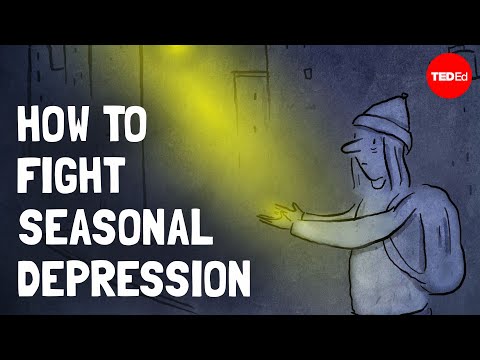
You know those gray, dreary days? The ones that just make you wanna crawl under a blanket and binge-watch your favorite show? Yeah, we’ve all been there.
This blog provides content for informational, educational, and reflective purposes only. The information published here does not constitute medical, psychological, or psychiatric advice, and it does not replace the evaluation, diagnosis, treatment, or individualized guidance of a properly licensed professional. If you believe you may be experiencing a psychological or health-related issue, consult a qualified professional as soon as possible before making important decisions about your well-being. Do not self-medicate or start, stop, or change medications, therapies, or treatments on your own. While we aim to provide useful and accurate information, we do not guarantee that it is complete, current, or suitable for every situation. Your use of this content is at your own risk, and reading it does not create a professional, clinical, or therapeutic relationship with the author or this website.
Well, here’s the thing: the way your space is lit can seriously mess with your mood. It’s wild!
When the sun starts to hide in winter, our brains can get a little funky. Seasonal depression is no joke, and it sneaks up on you like that unexpected cold snap in autumn.
But guess what? You can do something about it. With some clever lighting tricks, you might just chase away those blues and brighten up your world.
Let’s chat about how to light things up and lift those spirits this season!
How Bright Light Therapy Can Help Alleviate Winter Depression
So, winter can be a real downer sometimes, right? The days get shorter, the skies turn gray, and for many, that cozy feeling quickly shifts to feelings of sadness or depression. Some people even have a hard time getting out of bed or just feel low energy. This phenomenon is often called **Seasonal Affective Disorder**, or SAD for short. And here’s where bright light therapy comes into play—it’s like turning on the lights when the world outside gets too dim.
Basically, bright light therapy involves sitting in front of a special lamp that mimics natural sunlight. These lamps are designed to filter out UV rays (which is good for your skin) but deliver a powerful amount of light—typically around 10,000 lux. You look at it for about 20 to 30 minutes each day during the winter months. Think of it as giving your mood the sunlight it craves when there isn’t enough coming from the sky.
How does it work? Well, our bodies have something called circadian rhythms—these are basically your internal clocks that tell you when to sleep and wake up. When there’s less natural light in winter, this clock can get all funky. It throws off melatonin (which helps you sleep) and serotonin (that happy chemical). Bright light therapy helps reset these rhythms by tricking your brain into thinking it’s sunny outside.
Now let’s break it down a bit more:
But here’s an emotional tip: if you’re using bright light therapy and still not feeling great after a couple weeks? It’s totally okay to reach out for help! Sometimes there’s more going on than just needing some extra sunshine.
And if you’re wondering about safety—most people tolerate bright light well without any major side effects. Just keep in mind that it might not be suitable for everyone; folks with certain eye conditions should check with their doctors first.
Alright, so in sum: bright light therapy shines (pun totally intended) as a solid option to help alleviate those winter blues by mimicking good ol’ sunshine indoors—balancing your mood and resetting sleep patterns like magic! You might find yourself looking forward to those cozy indoor moments even more when they come with a dose of sunny vibes!
The Leading Trigger for Depression: Understanding the Root Causes
When we talk about depression, it’s like peeling back layers of an onion; you never really know what’s at the core until you dive in. One major trigger you might not think about right away is light—or the lack of it. Seasonal Affective Disorder (SAD), for instance, is a specific type of depression that pops up during specific seasons, particularly winter when days are shorter and darker. You feel sluggish, unmotivated, and just plain down. You follow me?
What happens is your body starts to react to that lack of sunlight. Low light levels can mess with your circadian rhythms, which are basically your body’s internal clock telling it when to be awake or asleep. It can throw off your melatonin and serotonin levels too—both play big roles in regulating mood.
One key factor contributing to depression through this lens is vitamin D deficiency. Sunlight helps our bodies produce this essential vitamin, which is crucial for maintaining good mental health. So, when you’re not soaking up those rays, it can lead to feelings of hopelessness or a more severe depressive state.
- Biological Factors: Our brains need certain chemicals to function well—like serotonin. A lack of sunlight might mean less serotonin production.
- Psycho-emotional Factors: The seasonal shift can also affect your routines and social interactions. Holiday blues are real!
- Cultural Elements: In some cultures, winter brings its own challenges that compound feelings of isolation or loneliness.
You know how some people say winter feels too long? That sense of time dragging can amplify depression symptoms because people often feel stuck in dark days with no clear end in sight.
A friend once told me about their struggle with SAD—they would get so cranky and moody during winter months that it was hard for them to even get out of bed some days. They started using a bright light therapy box that mimics sunshine! It sounds simple but wow, did it help brighten their mood.
The thing is, not everyone will react to light changes the same way but understanding these triggers helps us figure out why we feel low sometimes—it gives us something tangible to work with! So if you’re wrestling with those feelings during dark months, maybe it’s worth looking at how much light (or lack thereof) plays into your experience.
“Understanding Seasonal Depression: How It Triggers Mood Swings”
Seasonal depression, or Seasonal Affective Disorder (SAD), is real, and if you’ve ever felt a dip in your mood when the days grow shorter, you’re not alone. It usually kicks in when fall rolls around, often peaking in winter. When it’s gloomy outside and the sun is hiding, your emotional balance can take a hit.
The thing is, our bodies are super sensitive to light. When there’s less sunlight, it can mess with your biological clock, also known as your circadian rhythm. This rhythm really influences when you feel awake or sleepy. If it gets thrown off—like in the colder months—you might find yourself feeling more tired and down than usual.
Another factor at play here is serotonin, a chemical in your brain that helps regulate mood. Bright light exposure boosts serotonin levels, which helps keep those blues at bay. But during the winter months? You guessed it—less light means potentially lower serotonin levels.
Now let’s talk about those mood swings. During darker times of the year, many people experience fluctuations in their emotions. One moment you might feel hopeless or apathetic; the next, anxiety might creep in as you think about everything piling up—like work or social obligations that feel impossible to tackle when all you want to do is curl up under a blanket. Don’t get me wrong; everyone has ups and downs emotionally, but with seasonal depression, those swings can be more pronounced.
So how does indoor lighting affect all this? Well, good lighting can help mimic that sunshine we miss during winter. Think about how some folks use light therapy boxes—it’s like bringing a little bit of summer into your home! By increasing brightness indoors through natural sunlight or good-quality artificial light, you’re not just brightening up a room; you’re also helping adjust those serotonin levels and regulating your internal clock.
Here are some ways indoor lighting plays into managing seasonal depression:
- Bright lights. Using bright LED bulbs can enhance energy at home.
- Light therapy. These special lamps are designed specifically to fight SAD symptoms.
- Natural sunlight. Make an effort to sit by windows or keep blinds open whenever possible!
- A warm ambiance. Soft lighting can create coziness but try to balance it with brighter lights for active tasks.
In short, understanding seasonal depression is key to tackling those tricky mood swings when winter hits. Keeping an eye on your indoor lighting could help make everything feel a bit less gray! So next time the days get dark early and winter drags on, remember that there are simple things you can do at home to fight back against those low feelings!
You know, it’s kinda interesting how something as simple as lighting can really mess with your mood. I mean, have you ever noticed how the vibe of a room changes depending on the light? Picture this: it’s winter, and it’s gray outside for days—like, seriously, where did the sun go? Those gloomy skies can make you feel all sorts of down. It’s not just in your head; it turns out our brains react to light in ways we don’t often think about.
So here’s the deal. When you’re living in a place with dim lighting or even just not enough natural sunlight, it can trigger that whole seasonal depression thing. It’s like your brain is sending out an SOS for more brightness. A friend once told me about her struggle with this during winter months. She’d wake up feeling heavy and dragging herself through the day. But then she started playing around with her indoor lighting—adding bright bulbs, using light therapy lamps—and wow! Suddenly, her energy levels skyrocketed! A little tweak here and there made such a difference.
And let’s be real: artificial light doesn’t have the same energy as sunshine. But you can mimic it! Full-spectrum bulbs are great because they imitate natural light. It’s like bringing a bit of summer inside when everything feels so dreary outside.
But there’s more to it than just flicking on a few switches. Think about color too! Warmer tones can create coziness while brighter whites boost alertness and focus. Ever walked into a room with soft yellow lights? Feels like a hug, right? On the flip side, too harshly lit spaces can feel cold and clinical.
It makes sense to pay attention to these things since mood impacts so many parts of life—how we interact with others and even our productivity levels at work or home! If you’re feeling blue during those dark months, take a closer look at your space and maybe change up those lights. Sometimes all you need is a little brightness to chase away those clouds looming in your mind.
So yeah, indoor lighting might seem trivial at first glance, but if you’re struggling during those long winter nights or cloudy days, consider brightening things up! You could find yourself feeling more uplifted than you’d expect—all from flipping a switch or two. How wild is that?