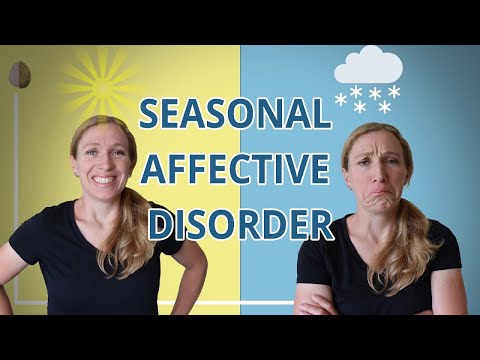
Hey! So, can we talk about this thing called Seasonal Affective Disorder? It’s like that heavy blanket of gloom that creeps in when the days get shorter and darker. Seriously, it can feel like a total fog rolling in.
This blog provides content for informational, educational, and reflective purposes only. The information published here does not constitute medical, psychological, or psychiatric advice, and it does not replace the evaluation, diagnosis, treatment, or individualized guidance of a properly licensed professional. If you believe you may be experiencing a psychological or health-related issue, consult a qualified professional as soon as possible before making important decisions about your well-being. Do not self-medicate or start, stop, or change medications, therapies, or treatments on your own. While we aim to provide useful and accurate information, we do not guarantee that it is complete, current, or suitable for every situation. Your use of this content is at your own risk, and reading it does not create a professional, clinical, or therapeutic relationship with the author or this website.
You’re not alone if you feel kinda down when winter hits. A lot of folks battle those blues when the sun decides to play hide and seek.
But here’s the cool part: there are ways to manage it! No need to just hibernate and wait until spring gets here. I’ve gathered some pretty helpful resources that could make a real difference for you.
So, let’s take a look at what you can do to chase away that seasonal funk!
Effective Seasonal Affective Disorder Treatments: Brighten Your Mood This Winter
Seasonal Affective Disorder, or SAD, can really hit hard during the winter months. You know how it is—days get shorter, sun disappears, and your mood can take a nosedive. But don’t worry! There are effective treatments out there that can help brighten your mood even when the skies are gray.
Light Therapy is often one of the first lines of defense against SAD. It involves using a special light box that mimics natural sunlight. The idea is to spend about 20 to 30 minutes in front of this light each day, especially in the morning. Some people find this really boosts their mood. It’s like getting a little slice of sunshine right in your living room.
Another approach is Psychotherapy, particularly Cognitive Behavioral Therapy (CBT). This type of therapy focuses on changing negative thought patterns that might be spiraling downwards during those dreary days. A therapist can help you develop strategies to tackle SAD head-on. Seriously, sometimes just talking about what you’re feeling can make a world of difference.
Then there’s medication, which can also be an option for some folks. Antidepressants might be prescribed if your symptoms are particularly tough to handle. They won’t fix everything overnight but can provide relief and support alongside other treatments.
Don’t forget about self-care routines. Regular exercise—even if it’s just a brisk walk—can work wonders for your mood and energy levels. And finding ways to connect with others, be it through social activities or just catching up with a friend over coffee, helps combat that isolation you sometimes feel during winter.
Also, consider supplementing with Vitamin D. Lots of people find that taking Vitamin D helps manage their SAD symptoms since lower levels are linked to mood disorders. Just remember to chat with your healthcare provider before starting any new supplements!
Lastly, creating a cozy environment at home can really uplift your spirit too! Think warm colors, soft lighting (maybe string lights?), and maybe even some indoor plants for that touch of life during the chilly months.
So yeah, while seasonal affective disorder is no picnic, these treatments could help you reclaim some brightness in your life this winter! Make sure to reach out for support when needed; you don’t have to tackle this alone!
Natural Remedies for Seasonal Affective Disorder: Effective Ways to Boost Your Mood
Seasonal Affective Disorder, or SAD as it’s often called, can really throw a wrench in the works when winter rolls around. You know that heavy feeling? It’s like a cloud hangs over you, and suddenly getting out of bed feels like climbing a mountain. Well, there are some natural remedies that can help boost your mood and lighten that load.
Sunlight is probably the most important one. Soaking up some rays helps your body produce more serotonin, which is key for mood regulation. If it’s tough to catch sun during those dark months, consider investing in a light therapy box. It mimics natural light and can make a difference for many people.
Another effective approach is exercise. Seriously! Even just taking a short walk or doing some yoga can release endorphins that lift your spirits. I remember a friend who felt so down every winter, but once she committed to daily walks outside, it was like seeing her come back to life!
Then there’s dieta. Eating foods rich in omega-3 fatty acids—like salmon or walnuts—can also help improve mood. And don’t forget about fruits and veggies; they provide essential vitamins that might give your brain the boost it needs.
Also, social support plays a huge role in combatting SAD. Reaching out to friends or family—even if you don’t feel like it—can make all the difference. One of my buddies always schedules coffee dates during winter since they really help him feel connected and less isolated.
And let’s not overlook mindfulness and meditation. Taking time to focus on your breathing or practicing gratitude can shift your mind away from negative thoughts. You could start with just five minutes each day; it doesn’t have to be complicated!
Finally, don’t be shy about herbal supplements. Some people turn to St. John’s Wort or valerian root for mood support, but make sure you chat with someone who knows their stuff before diving into anything new.
So yeah, while SAD can feel like an uphill battle sometimes, these natural remedies could lighten the load. Just remember: you’re not alone in this struggle!
Top Medications for Effective Treatment of Seasonal Affective Disorder (SAD)
Seasonal Affective Disorder, or SAD, is like that unwelcome guest that shows up every winter. You know? For some people, the lack of sunlight can really throw things off balance, leading to feelings of sadness and fatigue. But there’s good news! Medications can help lift that heavy blanket of gloom.
Antidepressants are often the first line of defense against SAD. They work by balancing chemicals in your brain that affect mood. You might have heard about selective serotonin reuptake inhibitors (SSRIs). These include popular options like fluoxetine and sertraline. Basically, they help increase serotonin levels, which can significantly improve your mood and energy.
Another option some people consider is Wellbutrin, or bupropion. Unlike traditional antidepressants, Wellbutrin works differently by boosting dopamine and norepinephrine levels. This could be a good fit for individuals who experience fatigue as a major symptom of their SAD.
Light therapy is also a game changer for many folks dealing with SAD. It’s not exactly a medication but often gets lumped in with treatment options anyway. Using a special light box mimics natural sunlight and helps regulate your body’s sleep-wake cycle while enhancing your mood. Many people start to feel better after just a few days!
Now let’s chat about the side effects you might need to watch out for:
- Nausea – This can happen with some antidepressants but generally subsides after your body adjusts.
- Drowsiness – Some meds make you feel sleepy, especially when you first start taking them.
- Weight gain – This is more common with certain types of antidepressants.
- Anxiety or jitters – This can come up as you adjust to some medications.
Remember how each person reacts differently? That’s why it’s super important to work closely with a healthcare provider to find what’s right for you.
Finally, combining medications with talk therapy often works wonders! Cognitive-behavioral therapy (CBT) has shown solid results in addressing the negative thought patterns associated with SAD.
Finding the right mix for managing Seasonal Affective Disorder can take time and patience—kind of like trying on shoes until you find the perfect fit. So don’t hesitate to reach out for help if you’re feeling down during those chilly months—the right medication might just be around the corner!
Seasonal Affective Disorder, or SAD, can feel like this heavy blanket that just descends when the days get shorter and the weather gets colder. You ever notice how some people just seem to fade a little during those dark months? It’s tough. I remember this one winter when a close friend of mine was pretty much hibernating—like a bear that forgot to wake up. She was always tired, had no motivation, and everything felt blah. It sucked seeing her like that.
So, managing SAD is all about finding what works for you. One classic go-to is light therapy. Seriously, those bright light boxes can make such a difference! It’s like giving your brain a little nudge with sunshine when the real stuff is in short supply. Just sitting in front of one for 20 to 30 minutes in the morning can help reset your mood and energy levels.
Then there’s the power of movement. Exercise might not seem directly linked to mood changes at first glance, but trust me—it really helps! Even going for a brisk walk outside when the sun peeks out can make you feel more alive. You know how it is; even just shaking off the cobwebs feels good.
Talking about feelings isn’t always easy, but connecting with others is super important too. Whether it’s chatting with friends, family or even joining support groups online—even if it’s just late-night memes about feeling down—finding that community can lift you up when things start dragging you down.
Of course, if things get really rough—like my friend who needed extra support—it might be time to reach out for professional help. Therapists can offer strategies specifically tailored for navigating the ups and downs of SAD.
And let’s not forget self-care! Quality time with hobbies you love can be great medicine too—whether it’s reading that book you’ve been eyeing or binge-watching your favorite show while wrapped in blankets (seriously cozy).
So yeah, while seasonal changes might keep throwing curveballs our way, there are plenty of ways to catch them—or at least dodge ‘em! Finding resources that resonate with you not only helps manage SAD but reminds you that brighter days will come again!