Hey, have you ever noticed how the weather can totally mess with your head? One minute you’re feeling good, and then boom—clouds roll in, and all that sunshine just disappears. It’s like a rollercoaster ride for your mood.
This blog provides content for informational, educational, and reflective purposes only. The information published here does not constitute medical, psychological, or psychiatric advice, and it does not replace the evaluation, diagnosis, treatment, or individualized guidance of a properly licensed professional. If you believe you may be experiencing a psychological or health-related issue, consult a qualified professional as soon as possible before making important decisions about your well-being. Do not self-medicate or start, stop, or change medications, therapies, or treatments on your own. While we aim to provide useful and accurate information, we do not guarantee that it is complete, current, or suitable for every situation. Your use of this content is at your own risk, and reading it does not create a professional, clinical, or therapeutic relationship with the author or this website.
So, let’s talk about something that might help: indoor lighting. Yeah, seriously! That light bulb above your head could be doing way more than just illuminating your living room.
If you’ve ever had those winter blues or felt a little down when daylight runs away too early, you’re not alone. A lot of people deal with what’s called Seasonal Affective Disorder (SAD). It can be rough! But guess what? Brightening up your space might just be the ticket to chasing those gloomy vibes away.
Let’s explore how some simple changes in your home lighting can make a real difference in how you feel day to day. Sounds pretty cool, doesn’t it?
Finding the Best Light for Seasonal Affective Disorder: A Guide to Brightening Your Mood
So, let’s talk about Seasonal Affective Disorder, or SAD for short. If you find yourself feeling low and dragging during the colder months when sunlight seems rare, you’re definitely not alone. It’s like winter casts a gray shadow over your mood. There’s some good news, though! Light therapy can really help brighten things up!
First off, light therapy involves exposure to artificial light that mimics natural sunlight. You’re probably wondering how that works? Well, it’s all about those pesky serotonin levels. Sunlight helps your brain produce serotonin, a hormone tied to mood regulation. When days get shorter and darker, serotonin drops, which can leave you feeling blah.
In terms of finding the best light for your needs, here are some key points to think about:
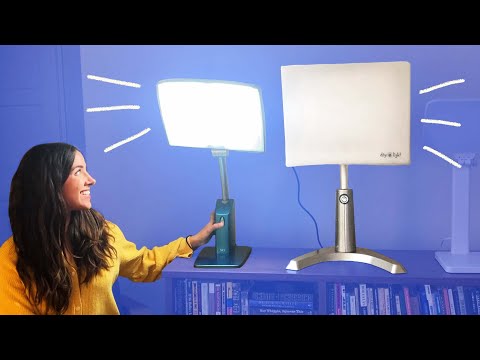
- Type of Lightbox: Look for a lightbox designed specifically for SAD or light therapy. They usually emit 10,000 lux of bright white light—much brighter than regular indoor lighting.
- UV Filter: Make sure your lightbox has a built-in UV filter. You don’t want to damage your skin or eyes while trying to lift your spirits!
- Size Matters: Bigger is often better! A larger screen provides more coverage and helps you soak in all that goodness without needing to sit super close.
- Adjustable Settings: Some folks prefer customizable brightness levels or color temperatures. Being able to adjust the warmth of the light can make it feel more inviting.
- Timing: For best results, use the lightbox for about 20-30 minutes each day—ideally in the morning when you wake up. This can kickstart your day with a burst of energy!
Now imagine this: You stumble outta bed on a dreary winter morning and crank up that bright box while enjoying breakfast. The glow starts wrapping around you like a warm hug—it’s pretty nice! After sticking with it for a few weeks, many people report feeling more energized and less moody.
It’s also crucial to consider where you place your light box. Ideally, set it up near where you spend most of your mornings—maybe by your kitchen table? Just be sure not to stare directly at it; instead, let it bathe the area around you in its lovely glow.
And hey, don’t forget other brightening elements! Adding plants or colorful artwork around could further boost your mood too—think sprightly yellows and happy greens! The vibe matters as much as the light itself.
Lastly, if things feel overwhelming or unmanageable even with bright lights in play—it’s absolutely okay to reach out for help from mental health professionals who understand what you’re going through.
So there ya have it! Light therapy might just be what you need during those long winter months—a simple way to help shine some light into those darker days.
Exploring the Effects of Bright Light Therapy on Depression: Can It Help Improve Your Mood?
Bright light therapy, hey, it’s not just about soaking up the sun. It’s become a popular topic because people are looking for ways to tackle depression, especially when that gloomy winter season rolls around. If you’re feeling low or dealing with Seasonal Affective Disorder (SAD), bright light therapy might just be worth a look.
What is Bright Light Therapy? In simple terms, it involves sitting near a special light box that mimics natural sunlight. The light is bright—way brighter than regular indoor lighting—often around 10,000 lux. When you expose yourself to this kind of light for about 20 to 30 minutes each day, it can help boost your mood. Fascinating, right?
Now, let’s focus on how this therapy works. The major theory here is that bright light helps regulate your body’s production of melatonin and serotonin. Melatonin is a hormone that controls sleep-wake cycles and can make you feel drowsy. On the flip side, serotonin plays a big role in regulating mood and is often called the «feel-good» chemical. A good balance between these two hormones can help lift those heavy clouds of sadness.
Does it really work? For many folks, yes! Studies have shown significant improvements in people experiencing SAD after several weeks of bright light therapy. It might not be an instant fix; some people notice changes in as little as a week while others may take longer to feel the effects.
Taking my buddy Sarah as an example: she often felt drained and unmotivated during winter months—like most days were just a blur of gray. Once she started using her light box every morning while sipping coffee and reading her favorite book for about half an hour, she suddenly began to feel more energized and less irritable.
It’s not just for SAD, either! While it’s commonly used for Seasonal Affective Disorder, research suggests it can help with other types of depression too—especially when combined with other treatments like talk therapy or medication.
Of course, it’s important to do this safely. Here are some things to keep in mind:
- Avoid looking directly at the light; instead position it off to the side.
- Start with shorter sessions—like 10 minutes—and gradually work your way up.
- If you have eye conditions or skin issues like lupus (seriously), check with your doc before diving into treatment.
But hey! Remember that everyone is different. What works wonders for one person may not suit another’s needs as well; that’s totally normal when it comes to mental health stuff.
To wrap up: bright light therapy could be an effective tool in managing symptoms of depression and bringing back some sunshine into your life! Just remember it’s always good practice to consult with a healthcare professional before starting any new treatment so you’re on the right track together.
Discover the Best Light Color for Alleviating Depression: A Guide to Mood-Boosting Ambiance
So, let’s chat about light color and how it affects our mood, especially when we’re dealing with something like depression or Seasonal Affective Disorder (SAD). You know how sometimes a gloomy day can just bring you down? That’s where lighting comes into play. The right kind of light can seriously boost your spirits and create a more inviting space.
First things first, natural sunlight is usually the gold standard. It’s energizing and can significantly improve your mood. When you can’t get enough sunlight—like during those dreary winter months—consider using full-spectrum light bulbs. These bulbs mimic natural daylight pretty well, and that brightness can help counteract feelings of sadness.
Now, let’s break it down:
- Warm white light: This type of light creates a cozy vibe. It’s soft and inviting, making spaces feel relaxed and comfortable. Think about how a warm lamp feels on a winter evening.
- Cool white or daylight bulbs: These are bright and energizing, similar to daylight. They can help you feel more alert and awake, which is perfect if you’re working from home or need to be productive.
- Colored lights: Some people find that colored lights—like cool blues or sunny yellows—can uplift their mood in different ways. Soft yellow might remind you of sunshine while blue can feel calming.
Many folks don’t realize that color temperature plays a major role here too. Measured in Kelvin (K), lower numbers mean warmer colors (like candlelight at 2700K) while higher numbers are cooler (like noontime sun around 5000K-6500K).
After getting into this new lighting setup, you might notice a change in your daily routine. For instance, my buddy Sarah used to dread winter because she felt so sluggish all the time. She switched to full-spectrum lights in her room and even added some soft yellows for ambiance during cozy evenings. Now she says it feels like summer inside her home!
Another great idea? Layering different types of lights. Use overhead lighting for general brightness but add table lamps or floor lamps for warmth near seating areas. This way, you create an inviting atmosphere that feels balanced and lifts your spirit without being harsh.
Don’t underestimate the power of adjusting ambient light according to the time of day too! In the morning? Go for bright cool tones to kickstart your energy levels. As evening rolls around? Switch it up with warmer hues to wind down.
Lastly, let’s not forget about light therapy lamps. If you’re really struggling with SAD or persistent low moods during certain seasons, these specialized lamps can simulate sunlight exposure effectively.
So remember: experimenting with different types of lighting could be just what you need to brighten up those darker days! Make sure to pay attention to how each type makes you feel because everyone’s got their own vibe going on! Hopefully this helps shed some light on how important ambiance can be in tackling those blues.
You know how, when the days get shorter and the clouds don’t seem to budge, it can feel like a heavy blanket is draped over your mood? That feeling is pretty common, especially if you struggle with Seasonal Affective Disorder (SAD). I remember this one winter, my friend Sarah seemed to fade a bit. She loved the sunny days of summer, but when winter hit, she felt so down—kind of like a ghost of her usual self. It was tough to see her like that.
But there’s something about indoor lighting that can really make a difference. Seriously! Brightening up your space can help lift that foggy mood. The trick is to mimic natural light as much as you can. If you’ve ever walked into a cozy café and just felt this warmth wash over you, that’s what good lighting does. It’s all about those soft lights, bright spots, and even adding some warm colors around.
So, think about getting light therapy lamps. They’re designed specifically for this stuff. You position them in a spot where you spend most of your time—like your desk or living room—and let them work their magic for about 20-30 minutes every morning. It’s supposed to trick your brain into thinking it’s basking in the sunlight! Crazy how something so simple can shift your mood.
In addition to lighting up your physical space, consider mixing it with colors—soft yellows or peach hues can give off warmth and comfort too. And plants! Bringing in some greenery not only brightens up the room but also gives that touch of life we might miss during those drearier months.
There’s just something so energizing about transforming a gloomy room into a well-lit haven. When I helped Sarah rearrange her space and add more light fixtures and plants, I could see a shift almost immediately in her energy levels. Her smile started showing up again!
So if you’re feeling low during those darker months, just remember: sometimes all it takes is a little brightness to chase away the shadows. Give indoor lighting a chance; you might be surprised at how much of an impact it makes on your mood!