So, you know those days when you just can’t shake off that heavy cloud hanging over you? Yeah, we’ve all been there.
This blog provides content for informational, educational, and reflective purposes only. The information published here does not constitute medical, psychological, or psychiatric advice, and it does not replace the evaluation, diagnosis, treatment, or individualized guidance of a properly licensed professional. If you believe you may be experiencing a psychological or health-related issue, consult a qualified professional as soon as possible before making important decisions about your well-being. Do not self-medicate or start, stop, or change medications, therapies, or treatments on your own. While we aim to provide useful and accurate information, we do not guarantee that it is complete, current, or suitable for every situation. Your use of this content is at your own risk, and reading it does not create a professional, clinical, or therapeutic relationship with the author or this website.
Well, it turns out that light isn’t just for the sun or your favorite lamp. Seriously! It can actually play a role in how you feel. Crazy, right?
There’s this cool connection between light and mood that a lot of people don’t really think about. And when you dive into it, it’s like unlocking a new way to tackle sadness.
Let’s chat about how harnessing light might just be a game changer for mental health. You might find it kinda illuminating—pun totally intended!
Understanding Light Therapy: How it Alleviates Symptoms of Seasonal Affective Disorder (SAD)
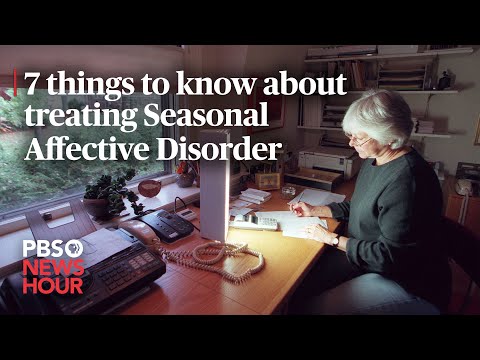
Light therapy, seriously, is something a lot of people turn to when the winter blues hit. You know, like when daylight is scarce and everything just feels gray and heavy? This feeling can be tied to a mood disorder called Seasonal Affective Disorder (SAD). It’s all about how our bodies react to changing seasons, especially the lack of sunlight in winter.
So, here’s what happens: during those dark months, your body might produce less serotonin, the feel-good hormone. It also messes with your production of melatonin, which helps regulate sleep. Basically, less light means more lows for many folks.
Light therapy involves sitting by a special light box that mimics natural sunlight. It’s like bringing a piece of summer into your home! The trick is to find one that’s designed specifically for this purpose—these boxes usually filter out UV rays so they’re safe to use.
Now, let’s break down how it works:
- Restoration of Energy: Just being around bright light can help lift your spirits and boost energy levels.
- Simpler Moods: People often report feeling less moody or irritable when they incorporate daily light therapy into their routine.
- Improved Sleep: Regular exposure helps regulate sleep cycles. This can lead to better quality sleep at night.
It’s not all sunshine and rainbows right away, though. You might need some time—like a week or two—to really notice changes. And the recommended duration? About 20-30 minutes a day is common, but it really varies from person to person.
I once had a friend who struggled with SAD. Every winter felt like climbing Mount Everest for her. She decided to give light therapy a shot after hearing about it from me (thanks Netflix for that doc!). After just a few days using her light box each morning while sipping coffee and scrolling through social media? She felt more energized! And honestly, seeing her mood shift was pretty heartwarming.
But hey, it’s important to mention that light therapy isn’t a magic cure-all for everyone dealing with SAD. Some folks might also consider pairing it with therapy or medication if needed.
If you’re thinking about giving this a try, make sure you’re working with a healthcare provider who gets your needs—it helps ensure you’re on the right track without any hiccups along the way. Who knows? A little bit of artificial sunshine might just brighten up those gloomy days ahead!
Exploring the Impact of Light Therapy on Depression: Does It Really Work?
So, let’s talk about light therapy and how it can help with depression. You know those gloomy winter days when it feels like the sun’s gone on vacation? A lot of folks experience this kind of seasonal sadness, which is often linked to a type of depression called Seasonal Affective Disorder (SAD). What happens is that less sunlight can mess with your mood and energy levels.
Light therapy comes into play here. Basically, it involves sitting in front of a special light box that mimics natural sunlight. This isn’t your average lamp; these devices are specifically designed to filter out UV rays, and they emit a bright white light that’s around 10 times more intense than regular indoor lighting. And here’s the thing: many people swear by it!
- How does it work? The theory is that exposure to this bright light helps boost serotonin levels—this is a neurotransmitter that’s really important for regulating mood.
- Timing matters. If you’re trying light therapy, consistency is key! Most people do best when they use the light in the morning for about 20-30 minutes each day.
- No magic wand. It won’t cure depression overnight. It might take several days or even weeks before you notice a difference, so hang in there.
Now, I remember talking to my friend Sarah during one particularly dreary winter. She was feeling really down, no motivation or energy at all. After we had a heart-to-heart about trying something new, she decided to give light therapy a shot. She set up her light box by her breakfast table and would sit there every morning while sipping her coffee. Slowly but surely, she started feeling brighter—in both mood and outlook!
You might be wondering if everyone can benefit from light therapy. Well, research shows it’s particularly effective for people with SAD or other forms of seasonal depression. But some folks with general depression have also reported improvements. Still, it’s not suitable for everyone—like those with certain eye conditions need to be cautious.
- Safety first! Before starting any new treatment like this, it’s wise to check in with a healthcare professional.
- A side note: Some people experience mild side effects like headaches or eye strain initially; these usually fade as your body gets used to the treatment.
The science behind it might feel complex, but it’s really about giving your brain what it needs during those darker months. What plays an essential role here is consistency and patience—just like any other treatment! Light therapy could be an excellent addition to traditional methods like talking therapies or medications if you’re looking for something extra that works well alongside them.
If nothing else, keep in mind: sometimes just being aware of how different things impact your mood can make all the difference! Light therapy isn’t just another tool; for many people out there searching for relief from depression, it’s been a small beacon of hope shining through the clouds.
Uncovering the Top Trigger for Depression: Understanding Its Impact on Mental Health
Depression can be a heavy cloud, hovering over you and casting shadows on everything. One of the biggest triggers for depression is **stress**. Life throws curveballs, and how we respond to them makes a world of difference. You know that feeling when you’re juggling so much that it all feels like too much? That’s it.
The impact of stress can be profound. It’s like a slow drip that wears you down over time. So what happens? Your brain starts producing less serotonin, the feel-good chemical, which can lead to feelings of sadness and hopelessness.
Another common trigger is **loss**—like losing a loved one or even something less obvious, like a job or a relationship. It creates an emotional void that’s tough to fill. Remember when your friend lost their job? They felt completely adrift for months because they lost not only their source of income but also their daily routine and social connections.
Isolation plays its part too. When you’re feeling low, it’s tempting to pull away from others. But that just deepens the sadness, creating a vicious cycle where loneliness feeds into depression. Think about those times when you just wanted to stay home instead of hanging out with friends; each missed opportunity just adds weight to your mental load.
Then there’s *trauma*. Past traumatic experiences can leave scars that manifest as depression later down the road. Whether it’s childhood trauma or something that happened recently, these experiences shape how you see the world.
Lastly, there are physical health issues like chronic pain or illness that trigger depressive episodes too. Imagine dealing with constant pain; it’s exhausting! You’d probably find it hard to muster up energy for anything enjoyable.
So how does light fit into all this? Well, studies show that light therapy can help alleviate symptoms of depression by mimicking natural sunlight exposure. This boosts those mood-lifting chemicals in your brain.
In sum, recognizing these triggers is key to understanding your mental health journey better! You can find ways to manage stress effectively or seek support when facing loss or isolation—basically anything that clouds your happiness will help clear things up along the way!
You know, it’s pretty interesting how something as simple as light can have such a big effect on our mood. I mean, think about those gray, rainy days. They can totally suck the energy out of you, right? Now picture a sunny morning. Suddenly, you feel more alive. Seriously—light has this incredible way of shifting our feelings.
When we talk about mental health and sadness, there’s this thing called Seasonal Affective Disorder (SAD). Basically, it’s when people feel super down during certain seasons, most often winter when sunlight is in short supply. Some folks describe it like a heavy blanket that just won’t come off. But using bright light therapy can help lift that fog! It’s like giving your brain a little boost of sunshine when nature isn’t cooperating.
I remember a friend of mine once struggled with SAD. Every winter felt like an uphill battle for her. She’d get cranky and tired all the time—like she was trapped in some gloomy cave. Then she tried one of those light therapy boxes. At first, she was skeptical; how could sitting in front of a bright lamp change anything? But honestly? After just a few weeks of using it daily in the morning, it was like I was seeing her emerge from the shadows. She smiled more and laughed louder; there was even this glow to her face that wasn’t just from the lamp!
And light doesn’t work alone—it can enhance other treatments too! For example, if someone’s also talking to a therapist or taking medication for depression, adding light therapy might amplify those effects. It’s all about giving your brain what it needs to feel better.
But let’s not forget—it’s not just through artificial means either! Nature has its own magical way of healing us too! Just stepping outside on a sunny day can lift your spirits dramatically; it’s free therapy with rays pouring down on you!
Of course, everyone’s journey with mental health is unique and complex. Light therapy might not be the cure-all for everyone feeling blue or sad—there are plenty of factors at play here—but it’s an interesting avenue worth exploring if you’re looking for something new to try.
So yeah, harnessing light—whether through therapy boxes or soaking up some sun—can be such an effective way to tackle sadness in mental health. It might just brighten up your day… literally!