So, let’s chat about something that hits a lot of us when those winter months roll around. You know that feeling when the days are super short and the sun just doesn’t wanna show up? Yeah, that can be tough.
This blog provides content for informational, educational, and reflective purposes only. The information published here does not constitute medical, psychological, or psychiatric advice, and it does not replace the evaluation, diagnosis, treatment, or individualized guidance of a properly licensed professional. If you believe you may be experiencing a psychological or health-related issue, consult a qualified professional as soon as possible before making important decisions about your well-being. Do not self-medicate or start, stop, or change medications, therapies, or treatments on your own. While we aim to provide useful and accurate information, we do not guarantee that it is complete, current, or suitable for every situation. Your use of this content is at your own risk, and reading it does not create a professional, clinical, or therapeutic relationship with the author or this website.
Seasonal Affective Disorder, or SAD for short, can sneak in and mess with your mood. It’s like being wrapped in a cozy blanket but still feeling kinda cold inside, you feel me?
But there’s hope! One of the coolest ways to tackle this is by harnessing light. Seriously! It sounds simple but it can work wonders. Let’s dig into how getting a little more sunshine—or even some clever light therapy—can brighten your days when the skies are gray.
Top Light Therapy Devices to Combat Seasonal Affective Disorder: A Complete Guide
Sure! Let’s chat about light therapy devices and how they can really help with Seasonal Affective Disorder (SAD). You know, when those gloomy winter months just drag you down? Light therapy is one way to get some relief.
First off, it’s important to understand what SAD is. Basically, it’s a type of depression that hits during certain seasons, most often in winter. You might feel tired, moody, or just not yourself. That’s where light therapy comes in.
So, here are some top light therapy devices you might want to consider:
- Light Boxes: These are probably the most common. They’re large panels that emit bright light—about 10,000 lux. You wanna sit in front of one for about 20-30 minutes each day. The idea is to mimic natural sunlight.
- Light Visors: Think of these as sunglasses with a twist! They sit on your head and provide light directly to your eyes while you’re on the go. They’re pretty handy if you can’t just sit still for half an hour.
- Desk Lamps: If you’re working from home or at a desk all day, why not grab a lamp designed for SAD? They provide the same intensity of light but fit in more easily with your workspace.
- Sunrise Alarm Clocks: These wake you up gradually by simulating a sunrise—kind of like nature does! They can help reset your internal clock and boost your mood in the morning.
Now about how these actually help… Well, here’s the thing: exposure to bright light can change brain chemistry by boosting levels of serotonin and melatonin. That’s pretty neat! It helps regulate sleep and mood.
I remember my friend Sarah who struggled every winter due to SAD. She tried sitting by her window during sunny days but found it wasn’t enough. When she started using a light box every morning while drinking her coffee, it was like flipping a switch! Her energy levels improved and she felt more like herself again.
But hold up! Not all lights are equal. Here are some things to keep in mind when shopping around:
- Lumens vs Lux: You want at least 10,000 lux; lower lux may not give you the same boost.
- No UV Rays: Make sure it doesn’t have harmful UV rays—those aren’t good for your skin!
- Please Check Size: Bigger isn’t always better; find one that fits into your routine!
So basically, while these devices are effective for many people with SAD, they’re just part of the equation. Pairing them with other treatments like talk therapy or medication can enhance their benefits.
In short, if gray skies make you feel blue during certain months of the year—a solid light therapy device could really brighten up your life! And hey, don’t forget to enjoy those sunny days whenever you get them too; they count as free therapy!
Understanding SAD Lights: How Much Is Too Much for Your Mental Health?
So, seasonal affective disorder (SAD) is a real drag. When the days get shorter and sunlight gets scarce, some folks just feel like they’re dragging through mud. That’s where those fancy **SAD lights** come in. They mimic natural sunlight and can really help lift your spirits. But you might be wondering: how much light is too much? Let’s break it down.
First off, SAD lights usually have specific characteristics. They’re designed to emit a certain intensity of light—typically around 10,000 lux. That’s way brighter than your average lamp! You wanna make sure you’re getting the right kind of light therapy for it to work effectively.
When using these lights, timing matters, too. Most experts suggest about **20 to 30 minutes** each morning is ideal. So you could set one up on your desk and soak in that brightness while you sip your coffee—sounds cozy, right? However, if you start feeling jittery or on edge after longer use—that’s a sign you might be overdoing it.
But wait! There’s more to consider here than just time and intensity. Positioning of the light plays a huge role as well. It should be angled towards your eyes but not directly shining into them. For instance, if it’s too close or too bright right in your face, it could trigger headaches or eye strain.
Also, let’s chat about those who are more sensitive to light. Some people might need less time or a softer light setting due to conditions like migraines or bipolar disorder—not everyone reacts the same way! This means that it’s crucial to tune into your own body and feelings while using these devices.
Now you might wonder what happens if you go overboard with SAD lights? While it isn’t typically dangerous per se—it just gets annoying when that brightness turns from helpful to overwhelming. You might find yourself feeling restless or even anxious which defeats the whole purpose of trying to feel better.
On a personal note—imagine this: you try out a SAD light for the first time and at first it feels amazing! You actually have energy again instead of being stuck on the couch all day like a sloth. But then after a week, maybe two hours in front of that lamp leaves you irritable and unfocused—that’s when it’s clear you’ve crossed some lines with brightness!
So what do we take from all this? Just keep an ear out for how your body responds when using those SAD lights—less can definitely be more sometimes! Balance is key here; aim for that sweet spot where the benefits shine through without getting overwhelmed by the glare.
And remember—light therapy isn’t intended to replace other forms of treatment like talk therapy or medication if they’re needed. It can be part of an overall strategy that works best for *you*, so as always listen to yourself first!
Ultimately: **understand what feels good**, try not to go overboard, and feel free to reach out for support if you’re unsure about anything along the way—mental health can be tricky like that after all.
Understanding Light Therapy for Seasonal Affective Disorder: Benefits and Techniques
Light therapy is a pretty interesting approach for tackling Seasonal Affective Disorder (SAD). You know, that feeling where the winter blues hit and everything just seems a little darker, literally and metaphorically? Well, light therapy can really help. Basically, it mimics natural sunlight, which can boost your mood and help you feel a bit more like yourself during those gloomy months.
So let’s get into it. What is Light Therapy? It involves sitting near a special light box that emits bright light, usually around 10,000 lux. This kind of brightness is *much* brighter than regular indoor lighting but not as harsh as direct sunlight. The idea is that this light can trick your brain into thinking it’s sunny outside, which in turn helps to regulate your sleep-wake cycle and mood.
Now, how does it work? Well, researchers think that light therapy affects the production of certain hormones in your body. For example:
- Melatonin: A hormone that helps regulate sleep. Less daylight means more melatonin production, which can make you sleepy and moody.
- Serotonin: This “feel-good” chemical tends to plummet during the darker months. Light therapy might help increase serotonin levels.
Think about it like this: when it’s dark outside all the time, you’re missing out on cues that signal to your body it’s time to be awake and happy.
Now onto some practical stuff! When you’re getting started with light therapy, here are some things to keep in mind:
- Timing: Most people find the best time for their session is in the morning after waking up.
- Duration: It usually runs for about 20-30 minutes each day.
- Distance: You want to position yourself about 16-24 inches away from the light box.
It’s essential to use a light box designed for SAD because they filter out harmful UV rays while providing just enough brightness.
But here’s something important: while many people find relief from SAD through this method, results can vary. Some feel better within days; others may take weeks before noticing changes. And hey—if you’re not seeing any improvement after a couple of weeks of consistent use, it could be worth chatting with a mental health professional about adjusting your strategy.
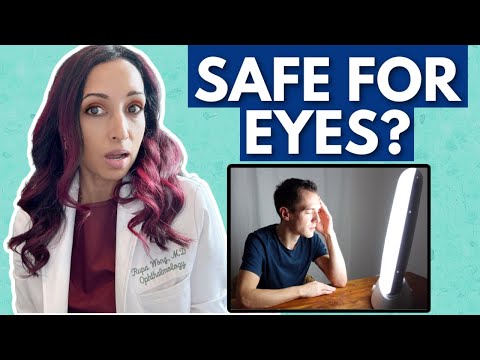
And although side effects are pretty rare with light therapy—like maybe some eye strain or headaches that’s why it’s good to ease into it slowly. Make sure you’re using it safely; consult with someone who knows their stuff if you’ve got existing eye conditions or other concerns.
In wrapping up this chat about light therapy for SAD—it’s not some magical cure but an effective tool in promoting better mental health during those dark months. If you’re feeling low when winter rolls around, give it a shot! You just might find that extra dose of sunshine makes all the difference.
You know, when those dark winter days hit, it can feel like the sun just packed up and took a vacation. I mean, seriously, some people even start to feel this heavy cloud hanging over them. It’s not just the gloominess; it’s like your energy gets sucked right out of you. That’s how Seasonal Affective Disorder (SAD) rolls in for a lot of folks.
I remember a friend telling me how she dreaded the cold months. She’d wake up, see that dim light filtering through her window, and it was like all her motivation went on strike. Getting out of bed was a struggle. She felt sluggish, down—just plain blah. And if you’ve been there yourself, you know exactly what I’m talking about.
Then someone mentioned light therapy to her. Honestly? It sounded a bit weird at first. «How could sitting in front of a bright box help?» But she was game to try anything at that point. So she dug into the science behind it—how artificial light can mimic those sunny rays and trick our brains into thinking it’s summer or something.
Fast forward to a couple of weeks later, and wow! She said she felt more energized and less moody. Just sitting in front of that bright box for about 20 to 30 minutes every morning really made a difference for her mood and productivity throughout the day.
The thing is, light therapy isn’t just about getting your daily dose of brightness; it’s also about resetting your internal clock—your circadian rhythm (yes, that fancy term). When it’s dark outside, our bodies produce more melatonin—the sleepy hormone—and that can really bring you down if you’re exposed to less natural light.
Now, don’t get me wrong; light therapy isn’t some magical cure-all. It needs to be part of a bigger toolbox which might include exercise or talking with a therapist or medication if things get heavy-duty. But harnessing that light? It can be such an accessible way to feel more alive when everything feels gray outside.
So anyway, if you’re feeling stuck in that seasonal slump this year, maybe give it a thought? Sometimes all we need is just a little extra brightness in our lives—a small spark to break through the dark clouds hanging overhead!