Hey there! You know those dark, dreary winters when the sun seems to vanish? Yeah, I feel you. It can be rough.
This blog provides content for informational, educational, and reflective purposes only. The information published here does not constitute medical, psychological, or psychiatric advice, and it does not replace the evaluation, diagnosis, treatment, or individualized guidance of a properly licensed professional. If you believe you may be experiencing a psychological or health-related issue, consult a qualified professional as soon as possible before making important decisions about your well-being. Do not self-medicate or start, stop, or change medications, therapies, or treatments on your own. While we aim to provide useful and accurate information, we do not guarantee that it is complete, current, or suitable for every situation. Your use of this content is at your own risk, and reading it does not create a professional, clinical, or therapeutic relationship with the author or this website.
A lot of people find themselves in a funk. Like, seriously. It’s not just “feeling blue.” It’s a whole mood thing called Seasonal Affective Disorder (SAD).
But here’s the good news—there’s something out there that can help! Ever heard of phototherapy?
It’s basically this cool way to give your brain a little sunshine boost, even when the skies are gray. Intrigued? Let’s chat about it!
Bright Light Therapy for Seasonal Affective Disorder: How It Can Boost Your Mood This Winter
So, let’s chat about Bright Light Therapy for Seasonal Affective Disorder (SAD). If you’ve ever felt like a wet blanket during the winter months, you’re not alone. Many people experience this kind of seasonal funk when the days get shorter and the weather turns gray. It can hit hard, leaving you feeling low on energy, unmotivated, and just… meh.
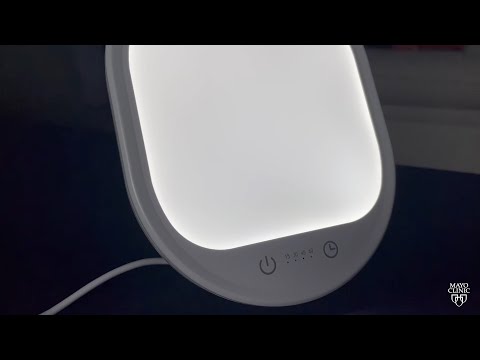
Here’s where Bright Light Therapy comes in. The idea is pretty simple: you sit in front of a special light box that mimics natural sunlight. And believe it or not, this can really help lift your spirits! The bright light affects your brain chemistry, boosting serotonin levels—those lovely feel-good chemicals.
This therapy usually works best when you start it in early fall before those winter blues become full-blown SAD. You’d typically spend about 20 to 30 minutes each morning soaking up that light. Sounds easy enough, right? But don’t go grabbing any old lamp—these boxes are designed specifically to filter out UV rays and replicate natural sunlight without the harmful stuff.
You might be wondering how effective this actually is. Well, studies show that around 60% to 80% of people with SAD experience significant improvements in their symptoms after using bright light therapy regularly. That’s some pretty solid encouragement if you ask me!
- Boosts Mood: It helps ramp up serotonin production and regulates your sleep-wake cycle.
- No Side Effects: Unlike some medications that can come with a laundry list of side effects, bright light therapy tends to have minimal ones.
- Easy to Access: You can often do it at home without needing frequent trips to a therapist or clinic.
The thing is, consistency is key here. Think of it like exercising; if you take a break from working out for too long, it’s easy to lose all those gains. Same goes for light therapy—you wanna keep at it for the best results!
A personal story comes to mind—a friend of mine dealt with SAD for years. Winter would roll around and she’d turn into a total hermit—canceling plans and just snuggling up under blankets with her dog. Then she tried bright light therapy one winter and noticed something amazing: instead of hibernating all season long, she felt motivated to get outside more! Those little walks became her lifeline during the gloomy months.
If you’re considering this therapy option but are unsure whether it’s right for you or how much light exposure you need—definitely chat with a healthcare provider first! They can help guide your journey and make sure you’re on the right track.
Sooo, while winter might throw us some curveballs emotionally speaking, bright light therapy could be just what you need to feel like yourself again when those clouds roll in!
Discover the Benefits of Light Therapy for Overcoming Depression and Anxiety
Light therapy, or phototherapy, is a pretty interesting approach when it comes to dealing with depression and anxiety, especially for those who experience what’s called Seasonal Affective Disorder (SAD). This condition often strikes when winter rolls around and the days get shorter. You know how some people just feel down or sluggish when there’s less sunlight? Yeah, that’s SAD in action.
So, what’s the deal with light therapy? Well, it basically involves sitting in front of a special light box that mimics natural sunlight. These boxes are designed to be super bright—about 10 times brighter than standard indoor lighting. The idea is that this exposure can help to boost your mood.
One of the major benefits is how it helps regulate your body’s internal clock, known as the circadian rhythm. When you soak up some light in the morning, your brain gets a signal that it’s time to wake up and get going. It can also impact levels of serotonin—a neurotransmitter that’s big on mood regulation. Higher serotonin levels can mean feeling happier overall.
Here are a few key points about light therapy:
Now, let me share something relatable. Imagine Sarah—a friend of mine—who always loved summer but dreaded wintertime blues creeping in every year. She struggled with energy levels and felt irritable when daylight savings rolled around. After trying light therapy one winter morning with her coffee as the backdrop, she noticed things started shifting positively within days! She felt more energized and less prone to those heavy feelings weighing her down.
But here’s an important tip: not all light boxes are created equal. Look for ones that filter out UV rays since those can be harsh on your skin and eyes. Ideally, they should emit at least 10,000 lux (that’s fancy talk for brightness level).
Of course, while light therapy can be fantastic for many dealing with SAD or other forms of depression and anxiety related to seasonal changes, it’s not a magic fix for everyone—kinda like how not every recipe works out perfectly every time! If you’re ever considering this route, chatting with a mental health professional first might help tailor an approach that’s best for you.
Overall, whether you’re experiencing seasonal changes or just need an extra boost during gloomy days, light therapy might just shine some brightness into your life!
Maximize Your Mood: The Benefits of Light Therapy Lamps for Mental Well-Being
Light therapy, or phototherapy, is like a little sunshine in a box. Seriously! It’s often used to treat Seasonal Affective Disorder (SAD), a type of depression that tends to sneak in during the darker months. So, let’s break it down and make sense of how light therapy lamps can really help boost your mood.
First up, what’s SAD? It can hit people hard when the days get shorter and the weather gets gloomier. Symptoms include feeling tired all the time, losing interest in activities you usually enjoy, and even finding it tough to focus at work or school. A friend of mine once told me how she’d struggle each winter; she felt like she was living in a fog with no way out until she tried one of those lamps.
Basically, light therapy mimics natural sunlight. When you sit by one of these lamps for about 20-30 minutes each day—ideally in the morning—your brain gets a signal that makes you feel more awake and alert. That’s because it helps regulate melatonin and serotonin levels in your body.
Here are some benefits you might want to consider:
- Improved Mood: Studies show regular use can significantly lessen SAD symptoms.
- Boosted Energy: Many users report feeling more energized throughout their day.
- Better Sleep Patterns: Light exposure helps your body know when to produce melatonin for sleep.
But here’s the thing—you gotta use them right! Not every light is created equal. Look for lamps that have at least 10,000 lux (that’s just a way to measure brightness) and block out UV rays so you’re not harming your skin or eyes.
Timing also matters; most folks find early morning sessions work best, but listen to your body! Some do better later in the day. Just keep track of how you feel because everyone responds differently.
Also, if you’ve got any eye conditions or if you’re taking medications that make your skin sensitive to light, definitely chat with a healthcare professional before diving headfirst into using a lamp. Safety first!
And what’s super cool? You don’t have to sit there staring blankly at it for half an hour! You could read a book, enjoy your morning coffee, or even catch up on some work while soaking up those rays.
In short, light therapy lamps can be powerful tools for improving mood during those dark times when everything feels heavy. They give us that little extra bit of brightness we sometimes need to lift our spirits! Life can be brighter and more vibrant with just that sliver of sunlight shining from these handy devices.
You know those cold, grey winter days when the sun seems to have packed its bags and gone on vacation? It can be tough, especially if you’re one of those people who feels a little extra down when the seasons change. I’ve been there—waking up to darkness, feeling that heaviness in my chest, and just not wanting to get out of bed. That’s where phototherapy comes in, and honestly, it’s pretty interesting.
Phototherapy is all about using light to boost your mood. Seriously! Imagine sitting in front of a special light box that mimics natural sunlight. The idea is that it helps your body recognize that, hey, it’s still daytime out there, even if the clouds are hiding the sun. There’s research that suggests this can be super effective for folks with Seasonal Affective Disorder (SAD).
I remember talking to a friend who struggled with SAD for years. Winter would come around, and it was like someone flicked a switch on her happiness. But after trying phototherapy, she felt like she had more energy and could actually enjoy things again—like baking cookies or going for walks! She said it was just nice to feel some brightness when everything outside felt so gloomy.
It’s fascinating how light impacts our mental health. Our bodies produce more melatonin when it’s dark—which is great for sleep but not so much for mood during the day. Phototherapy can help reset that balance by giving our brains a little reminder that sunlight isn’t totally gone; it’s just hiding behind those clouds.
So if you ever find yourself feeling unusually low during certain times of the year because of lack of sunlight, maybe consider giving phototherapy a shot. It’s just one more tool in your mental health toolbox. And hey, who doesn’t want to feel a bit brighter?