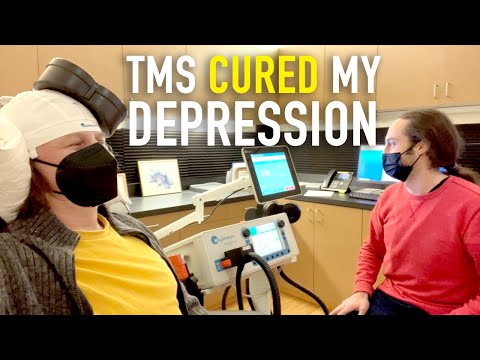
So, let’s talk about something that can feel like a heavy backpack. You know, that feeling of dragging around depression? Yeah, it sucks.
This blog provides content for informational, educational, and reflective purposes only. The information published here does not constitute medical, psychological, or psychiatric advice, and it does not replace the evaluation, diagnosis, treatment, or individualized guidance of a properly licensed professional. If you believe you may be experiencing a psychological or health-related issue, consult a qualified professional as soon as possible before making important decisions about your well-being. Do not self-medicate or start, stop, or change medications, therapies, or treatments on your own. While we aim to provide useful and accurate information, we do not guarantee that it is complete, current, or suitable for every situation. Your use of this content is at your own risk, and reading it does not create a professional, clinical, or therapeutic relationship with the author or this website.
I remember when I was really in the thick of it. Some days were just a blur of gray. It felt like I was stuck in a tunnel with no light at the end. Seriously, it was rough.
But then I stumbled upon this thing called TMS therapy. At first, I was like, «What even is that?» Honestly? It sounded kinda sci-fi to me.
And yet, it turned out to be one of those game-changers in my life. Like turning the volume back up on my favorite song after listening to static for way too long.
Curious? Let me share how TMS flipped the script for me and shined some light back into my days.
Exploring TMS Therapy: Does It Effectively Treat Severe Depression?
So, TMS therapy, or Transcranial Magnetic Stimulation, is becoming a pretty talked-about option for serious depression. You might be wondering what it’s all about and if it actually works. Well, let’s break it down.
What is TMS Therapy?
TMS therapy uses magnetic fields to stimulate nerve cells in the brain. This can help improve symptoms of depression when other treatments haven’t done the trick. Basically, it’s like giving your brain a little workout.
How Does It Work?
During a TMS session, a coil is placed on your scalp. This coil sends magnetic pulses to specific areas of your brain that are linked to mood regulation. You’ll sit in a comfy chair while this happens—no need for anesthesia or hospital stays! Treatment usually lasts about 20 to 40 minutes and involves multiple sessions over several weeks.
Does It Really Help?
Research shows that TMS therapy can be effective for people with severe depression, especially when traditional meds or talk therapy haven’t worked. Some studies point out that around 50% of patients see significant improvement after completing a course of treatment. That’s pretty hopeful, right?
Now, here’s something important: not everyone experiences the same results. Some might feel better quickly; others may take time or not respond at all. Everybody’s brain is different!
The Experience: What Can You Expect?
Picture this: you walk into the clinic feeling pretty low and leave after several sessions feeling lighter and more optimistic. One person I know went through this whole process—they described it as watching colors return to their world gradually.
Here’re some things you might want to know:
- Painless: Most people say TMS doesn’t hurt; you’ll feel a tapping sensation on your head.
- Minimal Side Effects: There are fewer side effects compared to antidepressants; some folks report headaches or scalp discomfort.
- No Downtime: You can get back to your normal routine right after each session since there’s no sedation involved.
- Cumulative Effects: The benefits often build up over time, so be patient!
The Bottom Line
While TMS therapy isn’t a magic fix for everyone, it has shown real promise for many battling severe depression. If you’re considering it, chatting with your doctor can help determine if it’s a good fit for you.
So yeah, if you’ve tried other methods without success and feel stuck in that heavy fog of depression, exploring options like TMS can definitely be worth looking into!
Understanding the Possibility of Depression Recurrence After TMS Treatment
When it comes to depression, many people feel like they’re fighting a battle that just won’t quit. One of the more recent treatments buzzing around is TMS, or Transcranial Magnetic Stimulation. It’s been life-changing for some folks, but the big question that lingers is: can depression come back after TMS? Well, let’s break it down.
TMS Therapy: A Quick Recap
Before diving into recurrence, it helps to know what TMS is all about. This therapy uses magnetic fields to stimulate nerve cells in the brain. It’s non-invasive and usually involves multiple sessions over a few weeks. Some people swear by it as a turning point in their struggle with depression.
The Reality of Recurrence
Okay, so here’s the deal: while TMS can work wonders for many, depression can still rear its ugly head again later on. It’s like when you finally think you’ve cleared up your skin after months of care, and then boom—another breakout! That happens because:
- Underlying Factors: Things like genetics, life stressors, or even experiences from your past can still play a role.
- Duration of Relief: TMS might not provide permanent relief. For some people, improvements might fade after several months.
- Lack of Maintenance: If you stop doing other supportive treatments—like therapy or medication—the risk of relapse increases.
You see? It’s not just about getting treated; it’s about ongoing care too.
The Role of Ongoing Support
If you think about it like physical fitness—it’s great to hit the gym and get strong, but if you stop working out entirely, those muscles don’t stay toned forever. Similarly, continuing therapy or joining support groups may help keep those recovery gains intact. Finding strategies that resonate with you can make a difference!
Anecdote Time
I once spoke to a friend named Sarah who did TMS and felt amazing afterward—like she was walking on sunshine! But then life threw her a curveball; she lost her job unexpectedly. As stress piled up without her usual coping methods in place (like talk therapy), she began feeling that familiar heaviness creep back in. It’s heartbreaking when you’ve fought so hard only for old feelings to resurface!
This illustrates how important continuous support is post-TMS treatment—those feelings don’t just disappear into thin air.
Conclusion
The possibility of depression recurring after TMS treatment isn’t set in stone; it’s influenced by various factors and ongoing mental health efforts. Staying aware and actively maintaining your mental well-being goes a long way. So remember: put in the effort not just for yourself now but for yourself down the road too!
How TMS Changed My Life: A Personal Journey Through Mental Health Challenges
Sure thing! Let’s chat about how TMS, or Transcranial Magnetic Stimulation, can really shake things up when you’re battling depression.
Starting out, many folks like you might feel stuck in a dark tunnel. That’s basically how I felt when I was wrapped in my own mental health challenges. It was like waking up each day with this heavy gray cloud hanging over me. You know that feeling? Like you’re dragging yourself through molasses just to get out of bed.
Then I heard about TMS. It’s a therapy that uses magnetic fields to stimulate nerve cells in the brain. Seriously, talk about sci-fi vibes! The idea is to help boost mood and ease depressive symptoms without the side effects that can come with medications.
So, what happens during a TMS session? Here’s the rundown:
- Preparation: You sit in a comfy chair. They put this cool helmet thing on your head.
- The Process: The machine sends magnetic pulses to specific areas of your brain. It doesn’t hurt at all—just feels like little taps.
- Duration: Each session lasts about 30-40 minutes, and most people go for around five days a week for several weeks.
The first time I tried it, I was nervous but curious too. Would it really help? After a week or so, something started changing inside me. It was subtle at first—a little flicker of light peeking through that heavy cloud.
Fast forward to the end of my treatment: wow, what a difference! My mood had lifted significantly; I felt more alive and engaged with life again. Friends said they noticed me smiling more and even laughing out loud—who doesn’t love that?
TMS isn’t just for anyone dealing with depression; it can also help with anxiety disorders or PTSD too. If medications haven’t worked for you or they come with side effects that are hard to manage, TMS could be worth considering.
Now, here’s where it gets real: TMS isn’t some magic wand that solves everything overnight. But it opened doors for me—I felt empowered enough to start talking about my mental health journey openly.
I remember one night sitting on my couch, scrolling through old photos and remembering how trapped I felt just months before starting TMS therapy. Looking back now feels surreal—like watching someone else’s life story unfold.
So yes, while there are ups and downs on this journey we call life—TMS truly helped shift the narrative for me. It gave me tools to face challenges head-on instead of hiding under the covers hoping they’d go away.
If you or someone close to you is wrestling with similar stuff, talking openly about treatments like TMS could spark new hope—and hey, sometimes all we need is hope to keep moving forward!
So, let me share something pretty personal with you. A couple of years ago, I was deep in the trenches of depression. It felt like I was walking around in a fog, trying to connect with the world but just… not able to. Even small things—like getting out of bed or having a conversation—felt like climbing a mountain. Seriously, I would sit there and wonder why was it so hard just to get through a day.
Then, out of sheer curiosity and a little desperation, I stumbled upon TMS therapy. You might be wondering what that even is. Well, TMS stands for Transcranial Magnetic Stimulation. It’s like this cool technology that sends magnetic pulses to stimulate nerve cells in your brain. Sounds futuristic, right? But what caught my attention was that it could help people like me who hadn’t found relief from the usual meds or therapy.
I went into my first session not really knowing what to expect. The room was bright and soothing; there was this comfy chair waiting for me like a friend ready to support me through this journey. The technician explained everything calmly and let me know it wasn’t going to hurt at all—it’s just this tapping sensation on your head as they set things up.
As the sessions went by—twice a week for about six weeks—I noticed little shifts happening inside me. At first, it felt subtle, yet there was something magical about it. The fog started lifting; colors in my world seemed brighter and more vibrant than before! As if someone turned on a light dimmer switch slowly but surely.
Now don’t get me wrong; it wasn’t all rainbows and butterflies right away. There were still tough days when I thought nothing would ever change—the doubt sometimes crashed in like an uninvited guest. But overall? There was hope creeping back into my life; I wanted to engage more with people instead of isolating myself away.
After completing the treatment, I realized just how transformative TMS had been for me—it’s like someone finally handed me the keys to unlock that door leading to life outside my mind’s limitations! Now I’m doing things I’d forgotten how to do: hanging out with friends again, pursuing hobbies that once sparked joy in my heart—all without feeling exhausted by the simple act of being present.
Of course, everyone’s experience is different; TMS may not work for everyone universally as we’re all unique beings navigating our own mental health landscape. But if you’ve been feeling stuck or lost like I once did? It could be worth exploring options like TMS—because breaking free from that heavy weight of depression can feel possible again, trust me on that one!