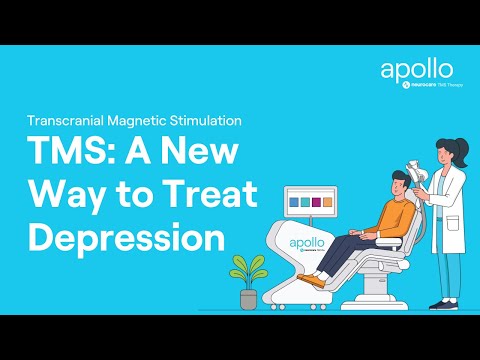
So, let’s talk about something that’s been buzzing around lately: TMS therapy. You heard of it?
This blog provides content for informational, educational, and reflective purposes only. The information published here does not constitute medical, psychological, or psychiatric advice, and it does not replace the evaluation, diagnosis, treatment, or individualized guidance of a properly licensed professional. If you believe you may be experiencing a psychological or health-related issue, consult a qualified professional as soon as possible before making important decisions about your well-being. Do not self-medicate or start, stop, or change medications, therapies, or treatments on your own. While we aim to provide useful and accurate information, we do not guarantee that it is complete, current, or suitable for every situation. Your use of this content is at your own risk, and reading it does not create a professional, clinical, or therapeutic relationship with the author or this website.
It stands for Transcranial Magnetic Stimulation. Wild, right? But basically, it’s become this cool new option for folks struggling with depression.
Imagine feeling like you’re stuck in a heavy fog, just dragging through life. That was me a while back, and it felt like nothing really helped. Seriously, finding the right treatment can be a journey—sometimes frustrating.
Anyway, TMS might just be that glimmer of hope for many people who feel hopeless. It’s non-invasive and offers some fresh possibilities when other methods don’t seem to work.
Curious yet? Let’s dig into how this treatment works and why so many are starting to see it as a game changer!
Experiencing TMS: A Comprehensive Guide to What It’s Like and What to Expect
TMS, or Transcranial Magnetic Stimulation, is this kind of therapy that’s been getting more attention for treating depression, especially for folks who haven’t found relief from traditional treatments. So what’s it like? Let me break it down for you.
First off, TMS is a non-invasive procedure. That means there’s no surgery involved. You just sit in a comfortable chair while the therapist places a device near your head. This device sends out magnetic pulses that can boost the areas of your brain linked to mood regulation. It’s pretty wild how they can target specific brain regions without doing anything invasive.
You might be wondering about the actual experience. Well, here’s how it typically goes:
1. Initial Consultation: Before starting TMS, you’ll usually have a chat with your doctor or therapist to see if it’s a good fit for you. They’ll go over your medical history and any treatments you’ve tried before.
2. The Setup: On the day of treatment, you’ll get settled in and the technician will adjust the device to fit your head properly. This bit can feel kind of weird because they measure where to place it based on how high your forehead is or something like that—it’s all about precision.
3. Treatment Sessions: Each session lasts about 20-40 minutes. While you’re there, you might hear beeping sounds as the machine works its magic with those magnetic pulses. Honestly? Some people say it feels like light tapping on their skull, while others notice little jolts—sort of like a gentle thump or vibration.
So here’s another thing: TMS isn’t super intense; most folks don’t feel any serious pain during treatment. But hey! Everyone’s different, right? You might find it odd at first but generally get used to it quickly.
4. Frequency and Duration: Usually, the treatment happens five days a week for about four to six weeks total—so it’s not just a one-and-done deal! Consistency is key here.
You’re probably thinking about side effects too? Well, some people experience headaches or discomfort at the site where they’re treated—nothing too major though! Usually goes away after a session or two.
Now let me tell you about how it feels emotionally after treatment—it varies widely among individuals:
- Improvement in Mood: Some people start feeling noticeably less depressed after just a few sessions.
- Anxiety Reduction: There are cases where anxiety levels drop alongside depression during this treatment.
- No Immediate Change: Don’t panic if you don’t feel anything immediately; sometimes improvement takes a bit longer.
A friend of mine went through TMS last year after struggling with depression for ages. She told me that by week three, she felt lighter and more upbeat than she had in years! It was as if someone flipped a switch inside her brain—seriously uplifting!
Anyway, remember that TMS isn’t right for everyone; some folks may not qualify based on their symptoms or medical conditions. But if you’re looking for options and traditional meds haven’t worked out for ya, maybe give this one some thought!
To wrap things up: TMS is an exciting alternative, offering hope when other methods have failed—even if individual experiences can vary widely. If you’re curious about trying TMS therapy yourself or just want to learn more—you really should talk to someone who knows their stuff!
How TMS Changed My Life: A Personal Journey Through Mental Health Challenges
So, let me tell you about this incredible journey I went through with TMS, or Transcranial Magnetic Stimulation. It’s a treatment that’s seriously changed the game for so many folks dealing with depression. Before diving into my experience, it’s important to understand what TMS really is.
TMS is a non-invasive therapy that uses magnetic fields to stimulate nerve cells in the brain. Yeah, it sounds kinda sci-fi, but it’s been shown to help people who haven’t had luck with traditional treatments like meds or therapy alone. Basically, it targets those pesky areas of the brain that are related to mood and emotions.
I remember how heavy everything felt back then. Getting out of bed was an achievement some days. Depression had its claws deep in me, making every task feel like climbing Mount Everest. I tried medication after medication, but nothing seemed to hit the mark. That drain on my energy and motivation? Ugh! It was exhausting.
Then I stumbled upon TMS during one of my million online searches for something—anything—that could help. After chatting with my doctor about it, I thought: “Why not?” You know? What did I have to lose?
The first day at the clinic was a bit nerve-wracking but also exciting. They placed this paddle thing on my head and started zapping away with magnetic pulses. Honestly, at first I thought: “Is this really doing anything?” But there was no pain or weird side effects—just some gentle tapping sensations.
After a few sessions—about two weeks in—I began to notice shifts in how I felt. Little things at first; like smiling more when watching funny videos or noticing that sunshine felt warmer on my skin. And those moments were like fresh air flooding into a stuffy room!
Here’s what stood out about TMS:
What really hit home for me? The ability to reconnect with things I loved doing before depression took over—like painting and hiking with friends! Those moments were now filled with genuine joy instead of just going through the motions.
Of course, it wasn’t all smooth sailing—there were tough days too when old thoughts crept back in sometimes. But having gone through TMS gave me tools and hope for rebuilding my mental health without feeling chained down by darkness all the time.
So yeah, if you’re navigating your way through something similar, remember that there are options out there beyond what you might’ve already tried. My journey isn’t everyone’s story, but opening myself up to something different brought light back into my life in ways I’d almost given up on expecting.
In short? TMS was not just another treatment; it helped me reclaim parts of myself I’d lost sight of for so long!
Finding SAINT Treatment for Depression: Locations and Resources Near You
Finding the right treatment for depression can feel like a daunting task, especially when you’re considering options like TMS (Transcranial Magnetic Stimulation) therapy. But don’t worry; I’m here to break it down for you. SAINT, which stands for Synchronized Accelerated Intelligent Neuromodulation Therapy, is one of the newer approaches making waves in the mental health field.
So first off, what’s TMS? Simply put, it uses magnetic fields to stimulate nerve cells in the brain. People have found hope and relief through this method, especially if traditional treatments haven’t worked for them. Now let’s talk about finding SAINT treatment specifically.
Searching for Locations:
When you’re looking for SAINT therapy providers near you, start by checking reputable mental health clinics or hospitals that offer innovative therapies. Many larger healthcare systems have integrated TMS and SAINT into their services. So if you live near a major city, chances are pretty good that you’ll find what you’re looking for.
Online Resources:
The internet is a treasure trove of information these days—seriously. Websites like Psychology Today have directories of therapists and treatment centers where you can filter searches based on your needs and location. You can look up clinics specializing in TMS and see if they also provide SAINT.
- Mental Health America – They offer resources that can help guide you through finding local services.
- The American Psychiatric Association – This site has a database of professionals who may be using newer therapies like SAINT.
Consultation and Referrals:
If you have a therapist or psychiatrist already, ask them about SAINT treatment options available nearby. They usually have connections with other professionals in the area or can refer you to clinics that specialize in new therapies.
Anecdote Time:
I remember talking to a friend who’s been battling depression for years—the usual ups and downs with medications and therapy just weren’t cutting it anymore. When she started exploring TMS therapy at a local clinic (which offered SAINT), her story changed drastically! After just a few sessions, she reported feeling more hopeful than she had in ages!
Coping with Logistics:
So while finding these treatments is key, think about how you’ll manage logistics too—like transportation or time off work. Some places are flexible and might even offer virtual consultations before starting any program.
And finally—how do you know if it’s right for you? Well, talking to the professionals there will help clarify risks versus benefits based on your unique situation.
In short, finding SAINT treatment isn’t as overwhelming as it seems once you’ve got some resources lined up! Stick with your search; there’s a good chance of discovering that spark of hope along the way!
Transcranial Magnetic Stimulation, or TMS therapy, has been making waves lately as a fresh approach to tackling depression. It’s definitely something to consider if you or someone you know has battled with this relentless condition. Just imagine sitting in a comfy chair while a device sends magnetic pulses to your brain. Sounds sci-fi, right? But really, it’s a non-invasive way that aims to help folks who haven’t found relief from traditional treatments.
I remember chatting with a friend who’d been going through some tough times with her depression. She tried therapy and meds, but nothing seemed to lift her mood like she’d hoped. When she heard about TMS, it sounded like a flicker of light for her. Sure enough, after several sessions, she noticed changes—more energy and motivation—and that’s just incredible.
The thing is, TMS isn’t magic; it’s not going to work for everyone. But it taps into the brain’s electrical activity in a way that can potentially rewire how you feel over time. You know how when you’re stuck in a rut and every little thing feels heavy? That’s what depression can be like. TMS seems to help by breaking that cycle, giving people a chance at feeling more like themselves again.
What I love about this therapy is how it’s relatively quick—sessions typically last about 20-40 minutes—and there are minimal side effects compared to some medications where the list feels endless! People can often go about their day afterward without the dragging fatigue that comes after those heavier treatments.
Still, it does come with its own set of questions and considerations: Who’s it right for? How much does it cost? Does insurance cover it? You might find yourself diving into research mode afterward if this sounds relevant.
But ultimately, if you’re feeling trapped under the weight of depression and other solutions just haven’t clicked yet, TMS could be worth looking into. It’s all about finding what works best for you or your loved ones in this journey toward better mental health. And hey, sometimes all we need is a little bit of hope wrapped up in something new!